The Wassail Is Not a Show: Toasting the Trees in the Dead of Winter
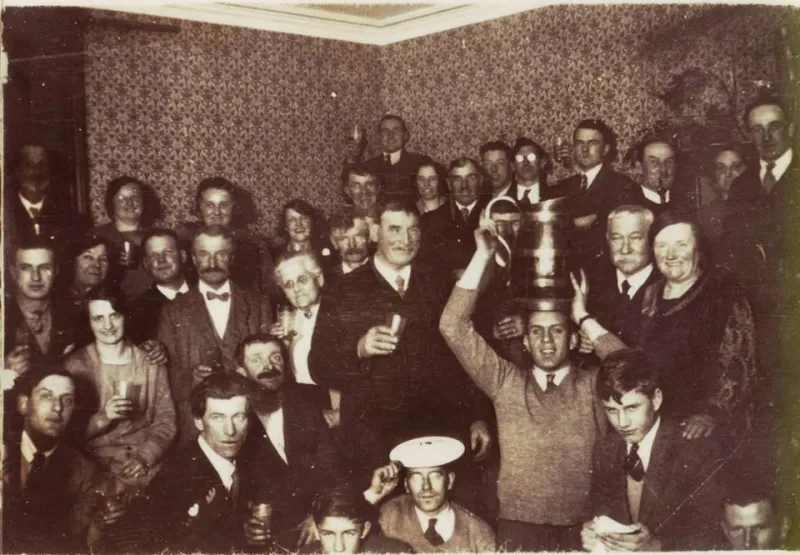
Photo: Twantooq, CC BY-SA 4.0, via Wikimedia Commons
January can feel like the quietest month in the orchard. The trees are bare, the grass is half asleep, and the cider house still smells faintly of last autumn's apples. That is exactly why the wassail matters. It is a midwinter check-in: a chance to walk among the trees, make a bit of noise, share a drink and remind ourselves that the orchard is not scenery. It is a working neighbour, and it has had a hard year.
A Very Old Excuse to Stand Under an Apple Tree
Wassailing is an old English tradition, and like most old traditions it has never been one tidy ceremony. In apple-growing counties — Herefordshire, Somerset, Devon, Kent, Essex and beyond — people have gathered in the dead of winter to sing to the trees, bang pots, fire guns into the air, hang toast in the branches and pour cider at the roots. The details changed from parish to parish. The intention did not: wake the orchard, scare off the bad luck, ask for a good crop and have a bit of company while the nights are long.
That is the version worth keeping. Not a heritage display with a gift shop at the gate, but a small, slightly muddy gathering of people who actually care whether the trees come back into blossom. The wassail is a ritual of reciprocity. We take from the orchard all year; for one evening in January, we give something back. Noise, song, bread, cider, attention. It is not complicated, and it should not be.
The Difference Between a Ritual and a Re-enactment
The moment a wassail becomes a backdrop for photographs, with hired costumes, fake accents and single-use props, it starts to lose the thing that makes it worth doing. Nobody needs a costumed host. They need someone who knows which gate sticks in the wet, where the lanterns go and how to stop the fire smoking out the neighbours.
A good wassail feels local because it is local. The apples are from the orchard or the next village. The cider is from a maker you could ring up. The songs are the ones people half remember. The toast is slightly burnt because someone brought the wrong loaf. That is not a failure of production values. That is the point.
This matters for small cider houses especially. You are not selling January to tourists. You are keeping a relationship with the land and the people around it. If the ritual is staged only for visitors, it becomes another thing to consume. If it is rooted in the orchard and the parish, it becomes something people help carry.
How to Host a Small, Honest Wassail
Start small. A dozen neighbours around a few trees is better than a hundred strangers in a field. Pick a date near Twelfth Night or another January evening that suits local people, not just weekend visitors. Tell the neighbours, ask the landowner or council if permission is needed, and keep the noisy part to a sensible window. A wassail is a celebration, not an endurance test for the surrounding houses.
Fire helps, but safety comes first. Keep it contained, check the rules, have water nearby and never let it become the main event. Lanterns are lovely; battery ones are kinder than naked flames around dry winter branches. If you hang toast in the trees, use twine or wool rather than plastic ribbon, and do not force it onto weak branches. A fork in the tree is enough. The toast is a gesture, not a load-bearing decoration.
Songs should be easy and slightly ragged. Print a few sheets with words to 'Old Apple Tree, We Wassail Thee' and 'Here We Come A-Wassailing'. Invite anyone with a fiddle, a melodeon or a decent singing voice, but do not amplify the life out of it. The best sound is a group of people who are not quite sure of the second verse and are enjoying themselves anyway.
And then there is the cider. Warm some gently with spice if the night is bitter, keep a non-alcoholic apple juice option for children and drivers, and remember that a wassail does not need a free bar. A sensible amount is the old phrase, and it is the right one. The ritual is about the trees, not about seeing how much you can put away before the singing starts.
Leave the orchard as you found it, or better. Compost the toast, take the ribbons home, avoid glitter and balloons, and do not trample the ground around the roots more than you need to. A wassail should cost the orchard nothing.
The Sustainability Case for Keeping It Local
There is a quiet sustainability argument for the wassail, and it has nothing to do with carbon calculators. Rituals keep people connected to land. When you have stood under a tree in January and sung to it badly, you are more likely to notice it in April. You are more likely to buy its apples, ask after its health and care whether the orchard is sold for housing. That kind of attention is hard to measure and easy to lose.
Small cider houses are well placed to hold that thread. You already know the growers, the pickers and the people who turn up at the bar in muddy boots. A wassail can be an extension of that, not a marketing campaign. It can support local food, use up good bread, warm up good cider and bring people together without a coach party or a plastic wristband in sight.
If the only wassail in your area is a ticketed spectacle with a sound system and a merchandise tent, start a smaller one instead. Find three trees, four neighbours and a loaf. Sing two songs. Pour a little cider on the roots. Go inside and eat something warm. That is not a lesser version of the tradition. It is the tradition.
A Toast, Not a Spectacle
The wassail is not a show. It is a promise made in the coldest month, in the least glamorous part of the year, to a tree that cannot answer back. It says: we are still here, we are paying attention, and we would like apples again, please.
So invite the neighbours, learn two songs badly, hang a piece of toast in the branches and pour a modest drop of cider at the roots. Then go back inside, warm your hands and drink the rest like people who intend to see the orchard again next year.