Between Press and Blossom: The Winter Work That Makes a Cider House
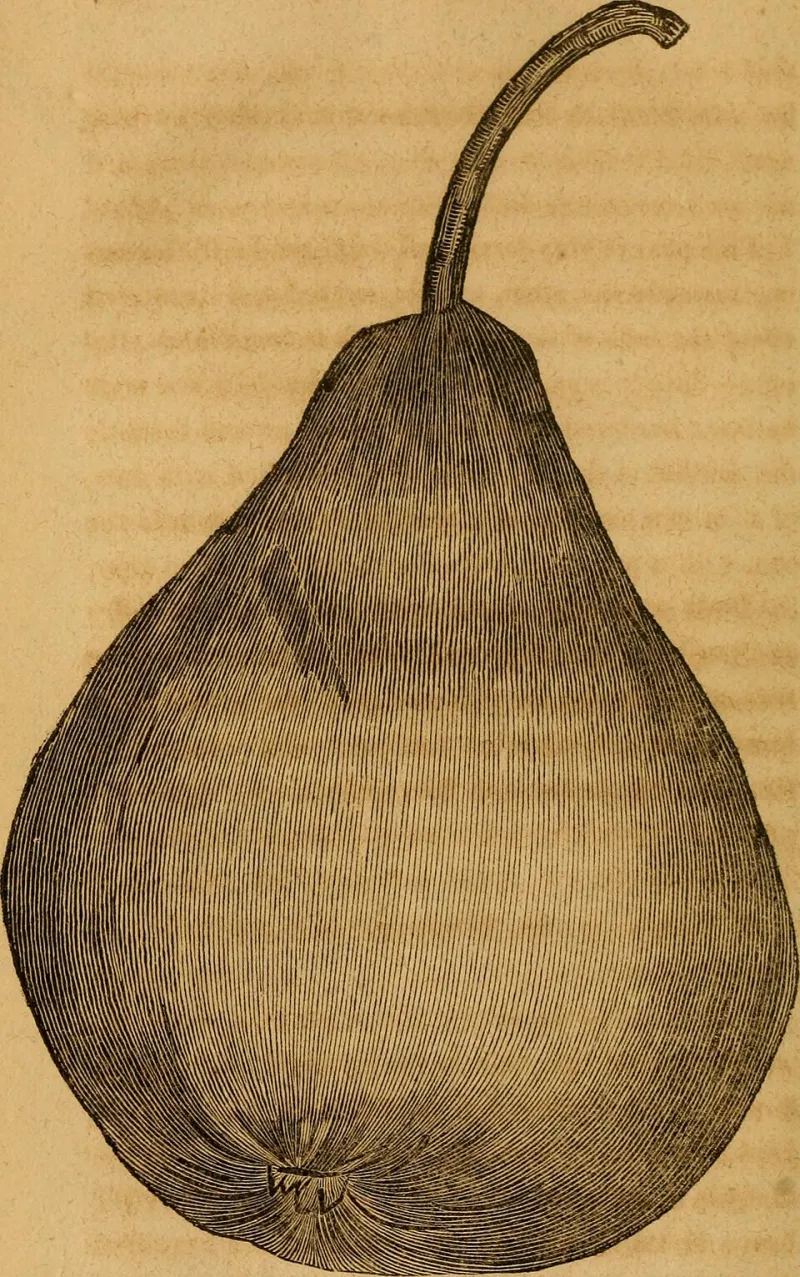
Photo: Internet Archive Book Images, No restrictions, via Wikimedia Commons
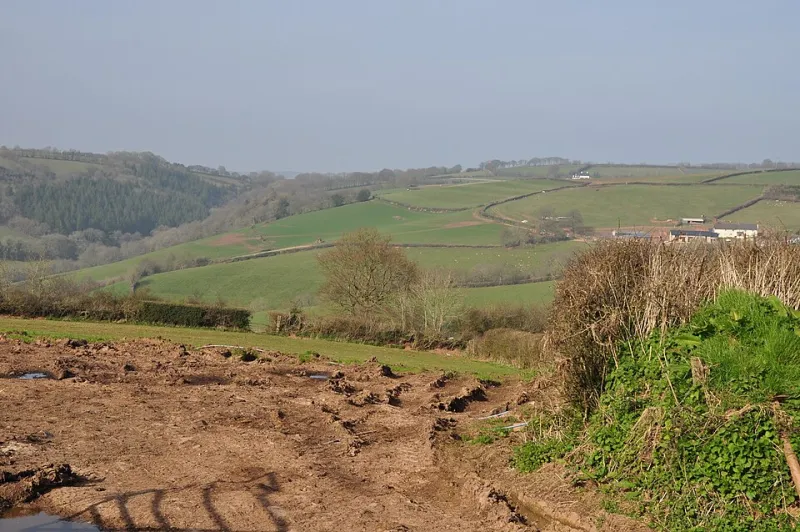
There is a week in January when a cider house goes quiet. The press has been hosed down and put to bed. The fermentation has slowed to a lazy tick. The orchard, seen from the back door, looks like a pencil drawing of itself: bare branches, wet grass, a bonfire that will not light. It is tempting to call this the off-season. The people who make the cider rarely do.
The pruning that shapes next October
Walk into any good orchard in February and you will hear the snip of secateurs before you see anyone. Winter pruning is the most consequential job of the quiet months, and the least photographed. The aim is not to tidy the tree but to shape it: an open, goblet-like centre that lets light and air into the middle, strong outward branches, no dead wood, no crossing limbs rubbing themselves raw. Cider varieties are not dessert apples. A Dabinett or a Yarlington Mill will happily grow into a thicket if you let it, and a thicket crops badly.
The old rule is to prune while the sap is down, from leaf-fall to bud-burst. In practice that means December to early March, and never in a hard frost, when the wood is brittle. Tools are sharpened on a whetstone and kept in a bucket of oiled sand. A tree pruned badly in February will still crop in October, but it will crop less, and it will crop crossly. Older trees are restored over three or four years, not one, because the shock of a hard cut can kill a tree that has stood for a century. Good pruning is also a sustainability measure: a well-shaped standard tree needs less spraying, lives longer, and holds more lichen, mistletoe and small birds than a clipped bush orchard ever will.
Grafting, and the orchard's long memory
Late winter is grafting weather. A scion — a pencil-thin shoot from last year's growth — is joined to a rootstock, and the two are bound and waxed and left to argue it out until spring. The whip-and-tongue graft is the common one; the cleft graft is for older, thicker stock. On a good day in February you will find a maker at the bench with a knife, a roll of rubber ties and a pot of grafting wax, making trees that will outlive everyone in the room.
This is where local varieties survive. Kingston Black, Foxwhelp, Stoke Red, Harry Masters Jersey, Dabinett, Yarlington Mill: names that mean nothing in a supermarket and everything in a cider county. A pub with a small orchard can host a grafting day — people pay a few pounds, take home a labelled whip, and come back in three years to argue about whether it has taken. It is one of the cheapest and most engaging events a cider house can run.
The care of barrels and other quiet things
Not all the work is outdoors. In the cellar, casks are checked for loose hoops, topped up, tasted, and kept cool and steady. A barrel is a tenant, not a cupboard: it needs cleaning, watching and, occasionally, the old practice of burning a sulphur wick inside an empty cask to keep it sweet. Oak barrels are inspected and re-coopered; stainless steel is cleaned and purged. A good cider house will tell you which barrel your glass came from, the way a wine bar talks about a vineyard.
Fences, hedges and the unglamorous list
Every maker has a list on the back of a door: the gate that hangs, the fence the deer lean on, the ditch that floods the bottom corner, the sign that has lost its arrow. Winter is when these jobs get done. It is also the season for planting bare-root whips — the cheapest, most hopeful thing you can do in an orchard — and for hedge laying, a proper winter craft best done between October and March while the sap is down and the hedge is dormant. An old cider orchard, grazed lightly or mown late, is one of the richest habitats on a farm. The quiet months are when it gets looked after.
Wassailing: the night the orchard gets loud
Then comes the ritual. In Somerset and Herefordshire, and in Kent and Sussex under the name of apple howling, the old custom of wassailing survives. The date varies — Twelfth Night, or old Twelfth Night on 17 January, depending on the parish and how stubborn the local tradition is. Cider-soaked toast is placed in the branches of the oldest tree. There is singing, shouting, the banging of pots and pans, sometimes a shotgun fired over the branches to wake the tree and scare off the wrong sort of spirit. The word itself comes from the Old English wes hal — be in good health.
A modern pub wassail can be a lovely thing: lanterns, a folk band in the back room, hot cider with a cinnamon stick, a short procession to the oldest tree in the car park. It is not twee if it is done with a straight face and good cider. It is also the one night of the year when the whole village is in the orchard at once, which is worth more to a cider house than any advertising.
Turning the quiet season into a public one
Here is the opportunity for a cider house with a kitchen and a function room. The quiet months can be opened up without turning them into a theme park. A pruning demonstration on a Saturday morning, followed by soup and bread. A barrel-care masterclass in the cellar with a tasting from three different casks. An apple identification evening with a local pomologist. A tree-planting day with a free glass for everyone who brings a spade. A cellar supper in February, lit by candles, with the barrels as furniture.
The menu writes itself if you let it. Stored apples, the last of the quince, celeriac, parsnip, leeks, purple sprouting later on; cider-braised pork, a cheese board with a perry, a pear and walnut salad, a baked apple with cream and a glass of something old. Put the story on the menu: the Dabinett in this glass was pruned on 14 February; the barrel was topped up by the landlord's son on a wet Tuesday. People like knowing the work behind the glass.
A short calendar for the quiet months
December: clean and store tools, lay hedges, order bare-root trees. January: wassail, begin pruning, check barrels, plan the year's events. February: graft, plant, repair fences, finish the pruning. March: mulch, last cuts, first buds, bottling and blending. By April the blossom is out and the whole thing becomes a photograph. The work that made it happened in the rain.
So when you next sit by the fire with a glass of cider and the orchard is out of sight, remember that someone has been out there in the cold, making next year's glass. That is the quiet season, and it is the whole story.