The Bottle Speaks First: Decoding a Cider Label at the Bar
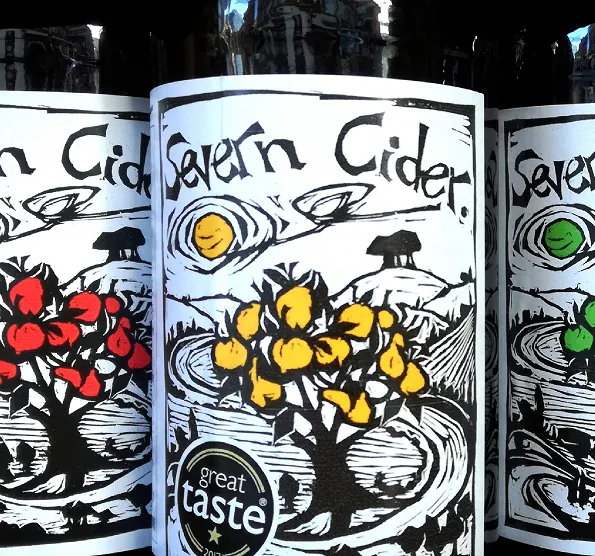
Photo: Mikecodling23, CC BY-SA 4.0, via Wikimedia Commons
There is a particular look that comes over a person at the cider-house bar when they pick up a bottle and turn it slowly in their hands. It is not quite suspicion. It is closer to the expression of someone reading a menu in a language they half-remember from school. They see the word ‘keeved’ or ‘bittersweet’ or ‘wild ferment’ and their eyes slide politely past it, back to the price, and then they order the same pint they always order.
That is a shame, but it is also entirely understandable. A cider label is not written to be difficult. It is just written by people who spend most of their lives thinking about apples, and sometimes they forget the rest of us need a gentle translation. So consider this the sort of bar chat you might get from the person pulling your pint—not a lecture, not a tasting note, just a few things worth knowing before you choose.
Start with the apples, or the lack of them
Some labels lead with variety names: Dabinett, Yarlington Mill, Kingston Black, Foxwhelp. These are not brand names or romantic inventions. They are apple varieties, each with its own temperament. In the glass, a single-variety cider tends to taste more like a place and a season, less like a smooth house style.
When a label mentions ‘bittersweet’ or ‘sharp’, it is describing the fruit’s role in the blend. Bittersweet apples—Dabinett and Yarlington Mill being the familiar names—give body, tannin and that gentle grip you feel at the back of your mouth. Sharp apples bring acidity and lift, the sort of freshness that stops a cider from feeling heavy. Sweet varieties fill in the middle. A label that says ‘bittersweet blend’ is telling you, in its own shorthand, that this is likely to be a fuller, more structured pour. A ‘sharp-led’ cider will feel brighter and more quenched.
You do not need to memorise the names to order well. It is enough to know that when a bottle boasts of a particular apple, it is usually trying to say something about character—not just showing off.
The method behind the magic
Then come the method words. ‘Wild fermentation’ means the maker has let the natural yeasts on the apples and in the air do the work, rather than adding a commercial yeast. The result is often slower, more unpredictable and a little more savoury or farmyardy in the best sense—though not always. It is the difference between a loaf made with a sourdough starter and one made with a packet of yeast. Both can be good. They are simply different sorts of good.
‘Keeved’ is another one that stops people in their tracks. Keeving is a traditional method, associated with Brittany but practised by a number of small British makers, where the juice is clarified and certain nutrients are removed before fermentation. Fermentation slows and stops naturally, leaving some sweetness and often a lower alcohol level. If a label says ‘keeved’, expect a softer, gentler, often sweeter cider—not a sugary alcopop, but something with a bit of poise and a quiet finish.
‘Bottle-conditioned’ simply means the cider has had a secondary fermentation in the bottle, giving it natural sparkle or a gentle prickle. ‘Pasteurised’ tells you the cider has been heat-treated for stability. Neither is a moral failing. A pasteurised cider can be clean and dependable; an unpasteurised one can be alive and occasionally unruly. The label is letting you know what kind of relationship you are getting into.
Vintage, harvest and a year in the glass
Cider is agricultural. It comes from a harvest, and harvests differ. A vintage date on a cider label—2024, say—is not the same as a best-before date. It tells you the apples were picked that year. A good maker might blend across years for consistency, or bottle a single vintage to show what one season did. Older is not automatically better. Cider is not wine in that sense, and anyone who tells you otherwise is probably trying to sell you something dusty.
Orchard provenance matters too. ‘Single orchard’ or ‘estate grown’ means the maker is working with fruit they know intimately. ‘Field blend’ suggests apples from mixed rows, picked and pressed together. Some labels go further and mention unwashed fruit, orchard-floor yeasts or ‘grown within ten miles’. That is the mud part—not literally mud on the label, but the sense that the drink has not travelled far from the tree. It is worth asking about. Small makers are usually delighted to tell you which orchard a bottle came from and what the weather did that year.
What the label leaves out
Not everything useful is printed. The alcohol by volume is there, of course, but the juice content may not be. Some ciders are made from 100 per cent apple juice; others are made from concentrate or a blend. Legally, the label may not spell that out in plain English. If you want to know, ask. The same goes for sulphites. ‘Contains sulphites’ is a legal requirement above a certain level, but ‘no added sulphites’ is a claim worth understanding—it usually means a more fragile cider that wants drinking fresh and keeping cool.
Labels also cannot tell you whether you will like the thing. They are a map, not a guarantee. A word like ‘farmyard’ can mean complex and characterful to one drinker and ‘not for me’ to another. The only way to know is to taste, ideally in the company of someone who can tell you what they were aiming for.
A short bar-side crib sheet
- Single variety: one apple, one voice.
- Bittersweet: body, tannin, grip.
- Sharp: acidity, freshness, lift.
- Wild ferment: natural yeasts, slower, more variable.
- Keeved: gentler fermentation, often sweeter and lower in alcohol.
- Bottle-conditioned: sparkle from a second fermentation in bottle.
- Vintage: the harvest year, not a guarantee of age-worthiness.
- Single orchard: fruit from one place, usually a small maker.
You do not need to recite any of this at the bar. In fact, please don’t. The point is simply to take the intimidation out of the bottle. A cider label is a conversation starter, not an exam paper. Order the one with the apple name you like the sound of. Ask what ‘keeved’ means if you are curious. Ask for a taste if the bar is not too busy. The best cider-house education is not printed on paper—it is the pint in front of you and the person who poured it.