The Wall That Keeps the Village: Pins, Pencil and the Cider House Calendar
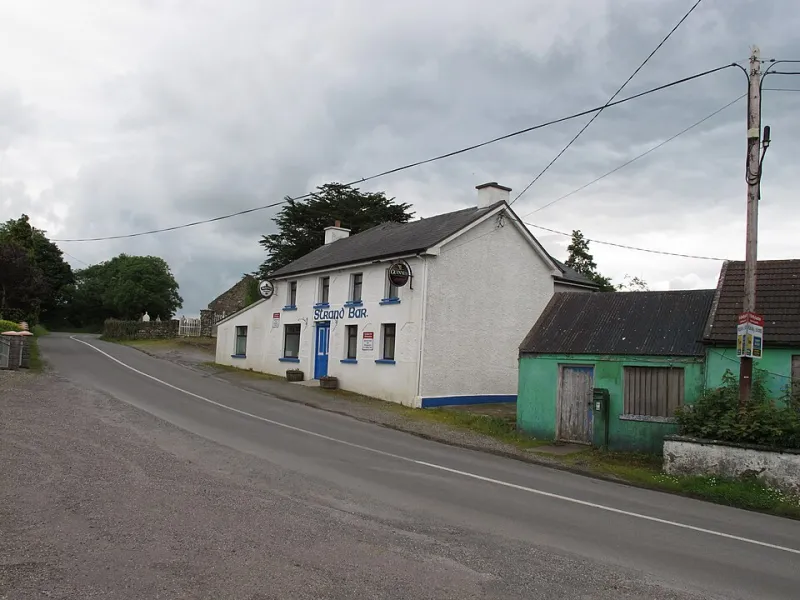
Photo: David Hawgood , CC BY-SA 2.0, via Wikimedia Commons
There is a square of corkboard just inside the door of the cider house, low enough for a child to reach and high enough that nobody knocks it with a tray. It is not curated. It is not colour-coordinated. It is, in its own ragged way, the most honest archive the village has.
You will find a yellowing card for a coffee morning that happened three weeks ago, a typed sheet about hedge-laying on the common, and a hand-drawn map to a cat that went missing near the church. The map is in biro on the back of an envelope. The cat, I am told, came home. The map is still there, because nobody has the heart to take it down.
A Calendar Made of Scraps
Most calendars live in phones now, tidy and silent. This one lives in layers. A tear-off tab for a lift share to the recycling centre. A note about a spare freezer going free. A printed timetable for the mobile library, which still runs on a Thursday. The board is a palimpsest: each week pins something over the last, and the corners curl like old receipts.
What makes it work is that it is not trying to be anything. There is no algorithm deciding what you see first. A parish council notice sits next to a poster for a pub quiz, and both are held up by the same rusty drawing pin. The board does not rank. It simply holds.
Orchard Workdays and Choir Practice
In November, the board fills up with orchard work. A pruning day at the old walled garden, bring your own loppers. A pressing session at a neighbour's barn, apples welcome, jars provided. Someone is looking for spare crates; someone else has fifty and no van. The cider house becomes a matchmaking service for fruit and transport, one pencil note at a time.
The same board carries the rest of village life. Choir practice at the hall on Tuesdays. The WI cake stall outside the church on Saturday. A Scouts collection for the bonfire. A request for help stacking chairs. None of it is grand. All of it is the sort of thing that makes a place work, and none of it would fit on a social media feed without getting lost between adverts.
The Ethics of the Pin
There is an etiquette to the board, though nobody has written it down. Pin it straight. Put the date at the top. If it is past, take it down. Do not cover the defibrillator notice, the number for the hedge man, or the card for the repair café. Those three are permanent, and everyone knows it.
The landlord keeps a light touch. He does not vet much beyond the obvious: no politics, no sales pitches for things that are not local, and nothing that makes the place feel like a lamppost. A noticeboard is not a billboard. It is a conversation, and conversations have manners.
There is a sustainability argument here too, and it is not the one you might expect. The board is low-carbon social media. It runs on paper, pencil and a bit of string. It reuses envelopes and the backs of letters. It does not need a server farm or a refresh button. More importantly, it keeps journeys short: a lift share, a tool loan, a box of apples that would otherwise go to waste. The circular economy starts with a pin.
Lost Dogs and Found Neighbours
Some of what goes up is admin. Some of it is not. The board holds the missing terrier and the spare ticket. It holds the thank-you card after a funeral, and the offer of a lift to hospital. It holds a note from someone who has moved away and misses the place, pinned by a friend because they wanted the village to know.
That is the part I think about most. A noticeboard is a quiet form of mutual aid. It says: if you need something, ask. If you have something, offer. It does not require you to be a member of anything. You do not have to sign up, log in or accept cookies. You just have to walk in, read, and maybe reach for a pin.
What Gets Taken Down
The board teaches impermanence. Things yellow, curl, and get covered. A poster for a harvest supper fades under a poster for a winter fair. The old notes go in the bin or the recycling, and that is fine. The board is not a museum. It is a living thing, and living things shed.
But some things stay. The defibrillator code. The number for the hedge man. A tiny card for the repair café, which has been there so long it has gone the colour of tea. These are the fixed stars of the board, and they tell you what the village values most: safety, skill, and the refusal to throw things away.
Keep the Cork, Keep the Village
Next time you are in, read the board. Not just the big posters, but the small ones. The tear-off tabs, the pencil notes, the card from a child advertising a guinea pig. Bring something to add if you have it. A spare bit of string. A notice about a workday. A thank-you.
The cider house is not just a bar. It is a noticeboard with beer, a calendar with a fire, a village archive that happens to serve lunch. The wall is a promise: you are not just passing through. You are part of the layers. Pin something. Somebody will read it.