When the Presses Rest, the Conversation Starts: Buying Cider Direct in Winter
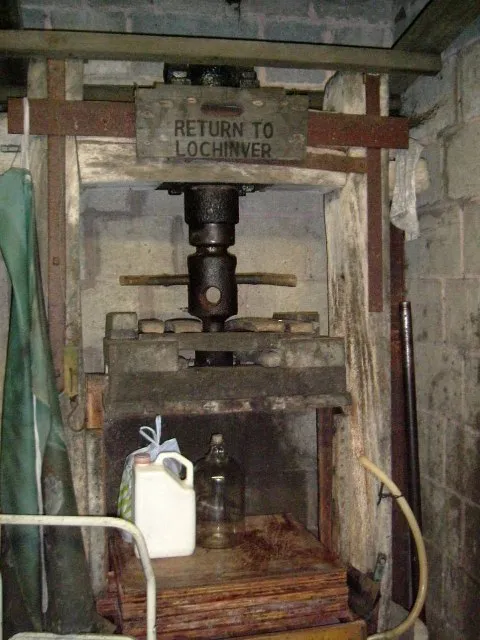
Photo: Glyn Baker, CC BY-SA 2.0, via Wikimedia Commons
Winter has a way of stripping things back. The orchard is bare, the grass is crisp underfoot, and the cider house settles into a slower rhythm. The presses have mostly stopped. The fermenting room hums rather than roars. And the person behind the bottle — the one who was up to their elbows in pomace in October — finally has time to look up, pull out a stool and talk. That is the quiet argument for buying cider direct in winter. Not because the supermarket is the enemy, but because the cellar door is open, the pace is human, and the story is still attached to the glass.
The Cold Cellar and the Warm Welcome: Why Winter Works
A winter visit to a small cider maker is not the same as a summer tasting room jolly. There are no coach parties, no queue at the bar and no pressure to move along. In many orchards the work has shifted indoors: racking, blending, bottling, labelling, mending equipment, pruning the trees while they sleep. The people doing that work are often the same people who will pour you a sample. That proximity is the point.
You might find yourself in a converted barn in Herefordshire, a stone shed on the Somerset levels, or a farm building in Suffolk with a kettle somewhere in the corner. The welcome is usually plain and genuine. You may be offered a glass of something still, cloudy and cold from the cellar. You may be warned that the last batch is drier than the maker intended. You may end up talking about hedge laying, apple varieties or the weather in 2024 for twenty minutes before anyone mentions money. Let it happen. This is not a retail transaction dressed up as a day out; it is a conversation that happens to end with bottles.
Tasting Without the Tasting-Room Voice: How to Ask, Sip and Learn
You do not need to arrive with a tasting sheet and a vocabulary borrowed from wine. The best questions are the simple ones. What apples went into this? Is it a single variety or a blend? How dry is dry? Was it keeved? When was it bottled? What would you drink with it — a wedge of cheese, a bowl of stew, nothing at all? Small makers are usually delighted to answer because most of them spend far more time making cider than marketing it.
If you like something, say so plainly. If you do not, say that too. There is no shame in preferring a softer, sweeter cider or a sharper, more tannic one. The point is to notice what you notice: the smell of apples and earth, the grip of tannin on your tongue, the difference between a cider made for drinking young and one that has been waiting in a barrel. Ask for a second taste of the one you are unsure about. Ask what the maker would take home for their own supper. That question often gets the most honest answer.
It also helps to remember that cider is agricultural. Vintages vary. A bottle from this winter will not taste exactly like the one from last winter, and that is not a flaw. It is a record of the orchard and the season. Buying direct gives you a chance to taste that record rather than a homogenised version of it.
What to Bring Home, and What to Leave for Next Time
A mixed case is the obvious answer, but leave room for the unexpected. A bottle of perry from a maker who still grows proper perry pears. A litre of cloudy apple juice for the morning after. A cider vinegar that tastes of the orchard rather than the factory. If you are local, ask whether they sell larger containers or refills; some small cider houses do, and it saves glass. Bring a bag or a box, and bring cash if you can — card machines are more common than they used to be, but not universal.
Do not feel you have to buy everything you taste. The winter visit is a relationship, not a raid. Take a note of the bottle you loved and come back for it next month. Ask whether they post bottles, or whether there is a local shop or market where you can buy between visits. A good cider maker would rather have a returning customer than a one-off panic purchase.
The Wider Point: Every Bottle Keeps an Orchard Standing
Buying direct is not just about better cider, though it often is. It is about keeping small orchards alive. Traditional cider orchards are not tidy. They are grazed, hedged, pruned and left a little wild at the edges. They support birds, insects, lichens and the kind of old apple varieties that supermarkets have no room for. When you buy from the maker, more of the money stays with the people who look after those trees. That is sustainability in wellington boots rather than a slogan on a label.
The supermarket aisle has its place, and nobody is asking you to swear off it. But winter is the season when the alternative is at its most open. The presses have slowed. The cellar is cold. The maker has time. Knock on the door, bring a bag, ask a question, and take home something that tastes of a particular place. Then come back next year and taste how the orchard has moved on.