Bring the Driver a Better Glass: The Cider House Table Has Room for Everyone
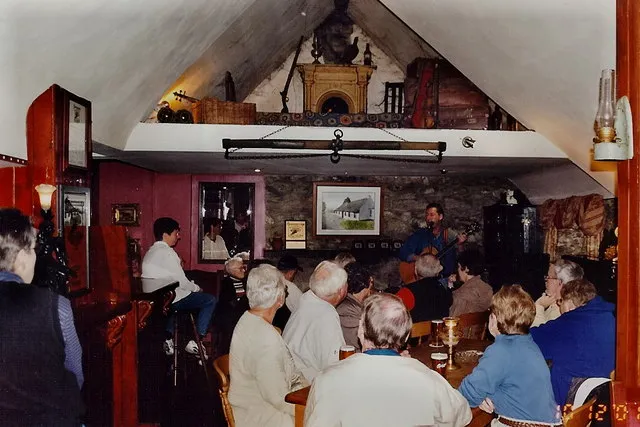
Photo: Joseph Mischyshyn, CC BY-SA 2.0, via Wikimedia Commons
There is a particular moment on a cold Friday in the cider house. The fire is doing its work, the bar is three deep, and someone at the table is holding a glass of sparkling water with a slice of lemon that looks like an apology. They are not miserable. They are simply the driver. And for the next three hours they will be asked, by well-meaning friends, whether they are sure they do not want a half. They are sure. What they would like is a drink that tastes of something.
The Pint Is Not the Point
Let us be clear about what conviviality actually means. It is not the volume of cider sold. It is not the number of empty glasses on the table at closing time. Conviviality is the ease with which people can sit down together, stay a while, and feel that their company is the reason for the evening rather than the drinks. By that measure, a cider house is only as good as its welcome for the guest who is not drinking. The designated driver, the pregnant guest, the person on medication, the one who simply does not fancy it tonight, the teenager, the visitor with a serious allergy. They are not edge cases. They are the table.
And yet, in too many pubs, the alcohol-free offer is still an afterthought. A dusty bottle of something sweet, poured without enthusiasm, listed at the bottom of a laminated menu under a heading that might as well say Other. That is not hospitality. That is a shrug.
What to Pour Instead
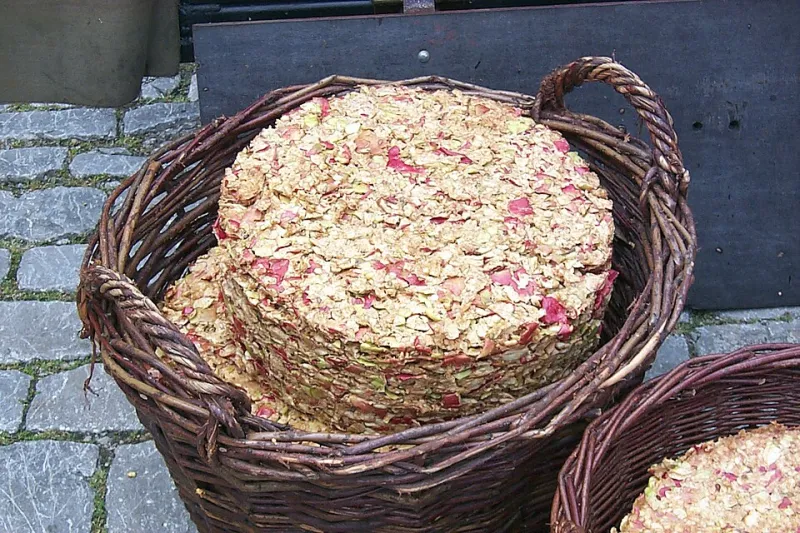
Cider houses have an advantage here that they rarely exploit. An orchard is not only a source of fermented apple juice. It is a source of apple juice full stop. Good, cloudy, single-variety juice, pressed in October and poured in November, is a more interesting drink than half the lagers on the bar. Serve it cold from a proper glass, with a slice of apple or a sprig of rosemary, and nobody at the table feels they are missing out.
The same is true of perry. A good perry pear makes a fragrant, gentle alcohol-free pressé that sits beautifully beside a plate of cheese. Add a splash of verjuice for acidity. Make a shrub with cider vinegar, honey and thyme, top it with soda, and you have something that tastes like it was made by someone who cares. Elderflower pressé, hot spiced apple with cloves and star anise, a house kombucha brewed from orchard windfalls. None of these are difficult. All of them signal that the sober guest is not an inconvenience but a customer.
There is also a place for low-alcohol and no-alcohol ciders, but be honest about them. A 0.5% cider is not the same as a 0.0%. For some guests, that difference matters enormously. Stock both, or stock neither, but do not blur the line.
Food That Does Not Need a Beer Back
A menu built entirely around cider pairing can leave the non-drinker stranded. The answer is not to strip the menu back. It is to build in dishes that hold their own without a glass beside them. A good pork pie with piccalilli. Sharp Cheddar and a slice of orchard chutney. A bowl of leek and potato soup with a hunk of sourdough. Roast squash with sage and hazelnuts. These are not compromises. They are the kind of food that made people fall in love with cider houses in the first place.
If you are listing pairings, list the alcohol-free option too. A dry cider with the cheese is good. A cloudy apple juice with the cheese is also good, and saying so costs nothing. A hot spiced apple with the pudding. A perry pressé with the fish. This is not political correctness. It is good menu writing.
Say It Plain on the Menu
Allergies and intolerances are where the sober seat often becomes an awkward one. If a guest has to ask three times whether the stuffing contains suet, or whether the cider used in the gravy is still alcoholic after cooking, the evening has already lost some of its ease. Put the information where people can find it. List allergens clearly. Note which dishes contain alcohol. Say whether the chips are fried in beef dripping. Say whether the bread contains milk. Train staff to answer without sighing. None of this is difficult. It is simply the difference between a pub that tolerates its guests and one that welcomes them.
The Measure of a Good Night
The best cider houses I know are not the ones with the longest drinks list. They are the ones where the landlord notices the driver at the end of the table and brings them a proper glass of something without being asked. Where the menu has a line of alcohol-free pairings that reads as if someone thought about it. Where the fire is warm, the bread is fresh, and nobody is made to feel that their evening would be better if they just had a pint.
That is the orchard table at its best. Not a table for drinkers, with a spare chair for everyone else. A table where everyone has a place, a glass, and a reason to stay for pudding. The cider house can do this better than almost anywhere else. It just has to decide that the sober seat is worth the same care as the one by the fire.