When the Pub Garden Becomes a Nature Reserve: Small Cider Makers and the New Orchard Landscape
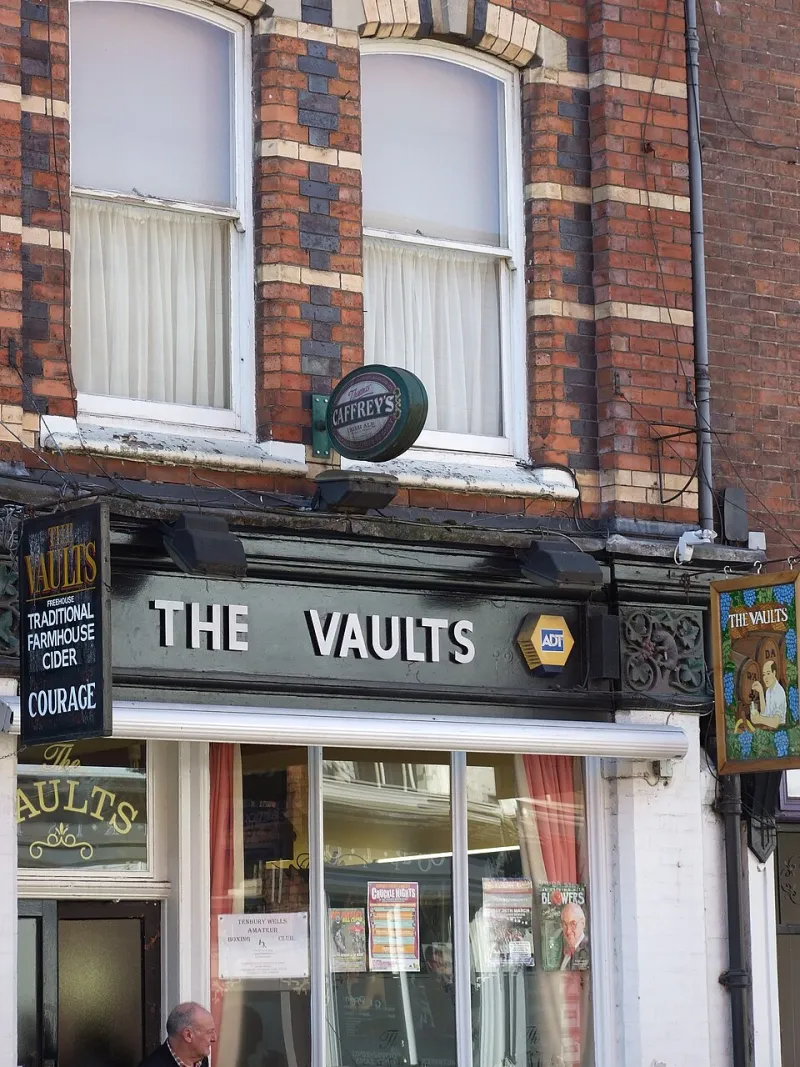
Photo: Mark Holland, CC BY-SA 2.0, via Wikimedia Commons
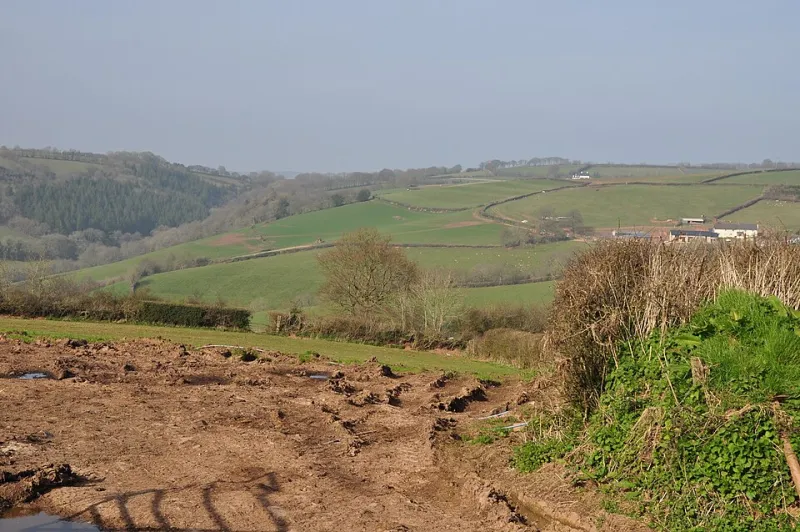
On a damp November morning in Herefordshire, Maya Ellis stops beside an old apple tree and points to the tangle at its base. ‘Last year this was close-cut grass,’ she says. ‘Now it is a bit of a mess — and that is the point.’ Ellis runs Hollow Lane Cider, a small maker with a few acres of restored orchard and a growing reputation for dry, still cider. Her trees are not abandoned; they are managed with wildlife in mind. The grass is cut late, the fallen fruit is left for birds and insects, and the hedgerow is allowed to grow thick. ‘We are not rewilding by walking away,’ she says. ‘We are rewilding by paying attention.’
The orchard as habitat
Traditional orchards are among the richest habitats in the British countryside. Mature apple trees carry deadwood, lichen and mistletoe; blossom feeds bees and hoverflies; fallen fruit keeps birds, wasps and small mammals going into autumn. The problem is that many old orchards have been grubbed up, built on or simply forgotten. According to the people who work them, the loss is not only cultural but ecological. A cider orchard is a working landscape, and when it goes, a whole web of life goes with it.
That is why a number of small makers are buying or leasing neglected orchards and bringing them back into production without tidying away the wildness. Tom Braithwaite, who runs Rookery Orchard in Suffolk, took on a six-acre site where half the trees were smothered in ivy and the grass was grazed to a crew cut. ‘We pruned hard, scythed late and planted heritage varieties in the gaps,’ he says. ‘Dabinett, Yarlington Mill, Kingston Black, Michelin. The old trees are the heart of it, but the new ones are an investment in the next generation.’
For Braithwaite, the orchard is not a museum piece. It is a place of work that happens to be alive. ‘You cannot just lock a gate and call it conservation,’ he says. ‘You need people in there, picking, pruning, mowing and noticing what is changing.’
The economics of patience
Restoring an old orchard is slow and expensive. A newly planted standard apple tree may take years to crop; old trees need careful pruning; fences, presses, storage and labour all cost money. Cider prices rarely reflect the true cost of that care. Elin Morgan, who runs Cwm Apple Co. in Monmouthshire, puts it plainly: ‘A hundred-year-old tree is priceless, but it does not pay a wage this year.’
Morgan sells bag-in-box cider to pubs and runs a small cider club, and she works with a community orchard group to pick fruit that would otherwise go to waste. The model is not glamorous. Harvests vary, disease is a constant worry, and the weather can undo a year’s planning. Planning pressure is another threat: an old orchard on the edge of a village can look like development land to someone who has never tasted its cider.
Yet there are reasons for optimism. Direct sales, local pubs and customers who ask where the apples come from are creating a steadier market for small makers. ‘People are beginning to understand that cider is agriculture, not just a drink,’ Morgan says. ‘When they buy a bottle, they are helping to keep a landscape standing.’
The pub garden front line
The pub garden is an unlikely front line of British biodiversity, but it may be one of the most useful. It is public, social and often a little untidy — the sort of place where nature can be noticed between conversations. A row of old apple trees, a wild corner, a hedge left to fruit: none of it needs to be grand. At The Old Cider House, we have a handful of gnarled trees behind the garden wall, and every autumn they remind us that a pub can be part of the orchard economy rather than just a place to drink.
Pubs can support this work by buying local cider, hosting wassails, planting heritage trees and giving small makers a steady outlet. They can also ask awkward questions. Is the cider made from British apples? Is it a blend of juice and concentrate? Does the maker pay for the orchard’s care, or just for the liquid? A pint of local cider is not automatically a conservation act, but a pub that buys well can help keep an orchard in work.
What you can do
The most useful thing is also the simplest: drink locally and ask where the fruit comes from. Visit orchards on open days, join a wassail, buy direct from a small maker, or choose a heritage apple variety at a farmers’ market. Support community orchards and encourage your local pub to stock a cider with a traceable orchard behind it. Do not expect perfect fruit or bargain prices; good cider costs what good farming costs.
The quiet revolution in British orchards is not a return to some lost idyll. It is a practical attempt to keep working trees in the ground and wildness in the margins. The pub garden may not look like a nature reserve. But on a damp November morning, with a glass of dry cider in hand and old apple trees creaking overhead, it is a good place to start.