Before the Tinsel: A Cider-House Supper for the People Who Show Up All Year
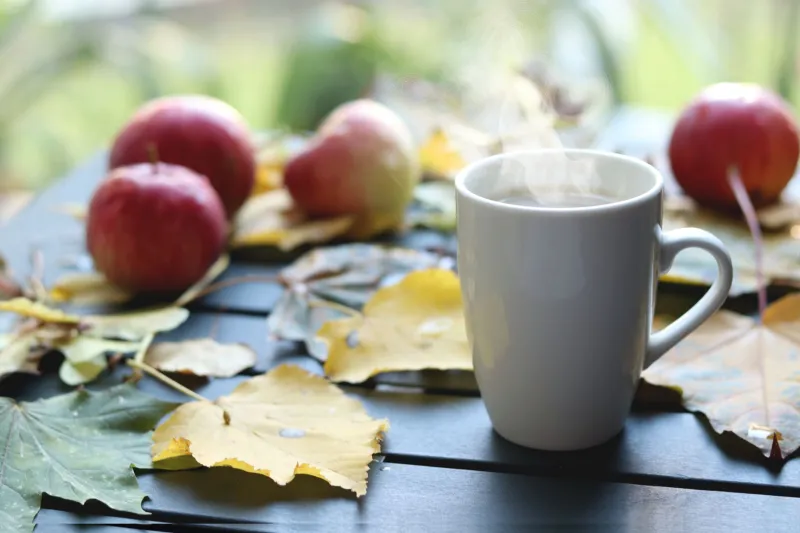
There is a particular kind of quiet in a cider house on a cold November evening. The fire has just been coaxed into life, the first trays are out of the oven, and the regulars are arriving in the order you would expect: the dog-walkers first, because the lane is dark by five; the Friday half-pint crowd next, shaking rain from their coats; then the orchard volunteers, mud on their boots and a crate of stored apples in the back of the car.
This is the moment to feed them. Not in December, when every diary in the village is already groaning and every pub kitchen is running on adrenaline and mince pies. November is the cider house’s own season: the press has slowed, the cellar is full, and there is still enough breathing space to cook something generous for the people who keep the lights on all year.
Why November, Not December
December gets the tinsel and the office parties, and quite right too. But a Christmas party for regulars is a different creature. It should feel like a thank-you, not a works do. Hold it in November and you get a room full of people who are not yet exhausted by the festive treadmill. You get staff who can sit down for ten minutes. You get local suppliers who can still deliver bread and cheese without a festive surcharge. And you get a date that stands apart from the December noise, rather than competing with it.
There is a practical advantage, too. A small cider house rarely has the space or the staffing for a big December event. A long table on a quiet Tuesday or Wednesday in November is manageable, affordable and much more in keeping with the place. It also gives the orchard volunteers something to look forward to after the last of the pruning work begins, and it gives the Friday half-pint crowd a reason to bring a friend.
The Guest List Is the Easy Part
Start with the people who show up when there is no event on. The dog-walkers who use the orchard path every morning. The couple who always take the corner table with the crossword. The volunteers who turned out for the apple harvest and stayed for the tea. The delivery driver who knows where to leave the boxes. The neighbour who brings over gluts of cooking apples in September and expects nothing back but a bit of gossip.
This is not a VIP list. It is a regulars’ list. Keep it to one long table, or two pushed together, and make it clear that partners and children are welcome. A cider-house supper works best when it feels like a slightly enlarged version of a normal evening, not a ticketed gala.
A Menu Built from the Store Room
The best November menu is the one that uses what is already there. Stored apples are the backbone: Bramleys for sauce and baking, eaters for the table, and a few windfalls for chutney. Local bread from the nearest bakery. Cheese from a farm within cycling distance, if you are lucky, or from the market if you are not. House cider in jugs. A pot of something slow-cooked. And a pudding that can be made in advance and served without a fanfare.
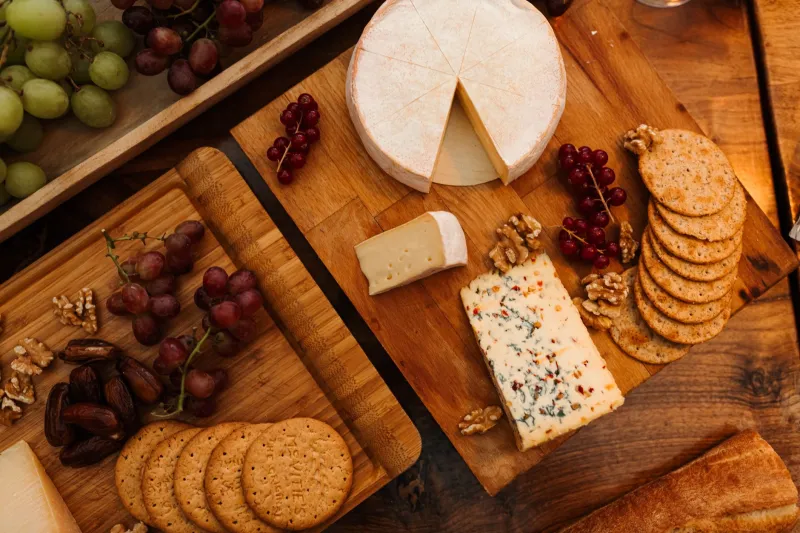
A workable menu might begin with a sharp apple and celeriac remoulade, grated with a little mustard and crème fraîche, piled on leaves and served with warm bread. Then a big tray of scrumpy-braised leeks and butter beans, or sausages glazed with cider and grain mustard, with mashed potatoes and a dish of apple sauce. For the cheese course, keep it simple: a wedge of mature cheddar, a soft local brie, a blue if you have it, and a bowl of walnuts. Pudding could be baked apples with mincemeat and oats, or a treacle tart with a jug of cream. Nothing needs to be fiddly. The point is abundance, not technique.
The Low-Waste Bit, Without the Sermon
A low-waste supper is mostly a matter of planning, not preaching. Use the whole apple: cores and peelings can go into a stockpot with onions and bay for a soup base, or be composted for the orchard. Bread that is a day old makes excellent croutons or a bread-and-butter pudding. Cheese rinds can flavour a sauce or go into the freezer for stock. Serve the cider in jugs rather than bottles, and have a jug of water on the table so people drink what they need.
Aim for a menu where leftovers can be turned into tomorrow’s bar snacks: apple chutney on toast, cheese and bread boards, a pot of soup. Bring out the pub’s own plates and glasses, and skip the disposable stuff. If you are giving favours, make them useful: a jar of apple chutney, a small bag of orchard-kindling, or a paper bag of stored apples with a note about the varieties. The regulars will appreciate the thought more than the tat.
Cider, Bread, Cheese, and a Little Order of Operations
Keep the drink simple. House cider on the table, a dry and a medium, plus a non-alcoholic apple press for the drivers and the dog-walkers. If you have a local perry, pour a little alongside the cheese. Bread should be plentiful and cut thick. Cheese should be at room temperature, not straight from the fridge. And the cider should be poured before people sit down, so no one is waiting at the bar while the room settles.
A long table helps. So does a fixed time and a clear finish. Start at seven, serve the main at half past, and let people drift when they are ready. Staff should be able to eat too, which is easier in November than in the thick of December. If you can, close the kitchen to the public for the evening and make the regulars’ supper the only service. It feels like an occasion without turning into a production.
The Room Does Half the Work
You do not need much decoration. A few candles, a jug of dried hops or apple prunings, and the ordinary warmth of the bar are enough. Put a notice on the board a fortnight before, mention it to people as they pay for their pints, and keep the price sensible. A small charge covers the food; the cider house covers the rest. If there is any surplus, put it towards the orchard volunteers’ next tea fund.
The regulars’ table is not really about Christmas. It is about the fact that a cider house is kept alive by the same people who walk the same dog past the same window every morning. A November supper says thank you to them before the year gets loud. It also gives the kitchen a chance to cook the kind of food that suits the season: stored apples, local bread, good cheese and a jug of cider. That is a Christmas party worth having, and it does not need a single piece of tinsel to work.
A Small Tradition Worth Keeping
If it goes well, make it annual. The second week of November, say, or the Thursday after bonfire night, when the orchard is quiet and the cellar is full. Keep the guest list loose, the menu flexible and the table long. The regulars will remember it, the staff will thank you for not adding another December shift, and the cider house will feel more like itself than ever: a place where the orchard meets the bar, and everyone gets a seat.