A Slow Rise by the Fire: Orchard Bread for the Cider Bar
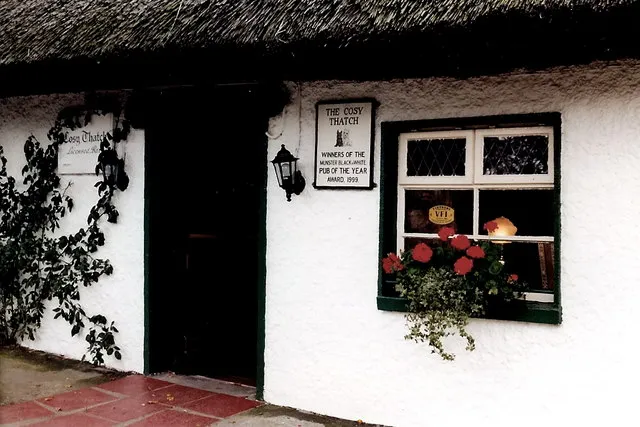
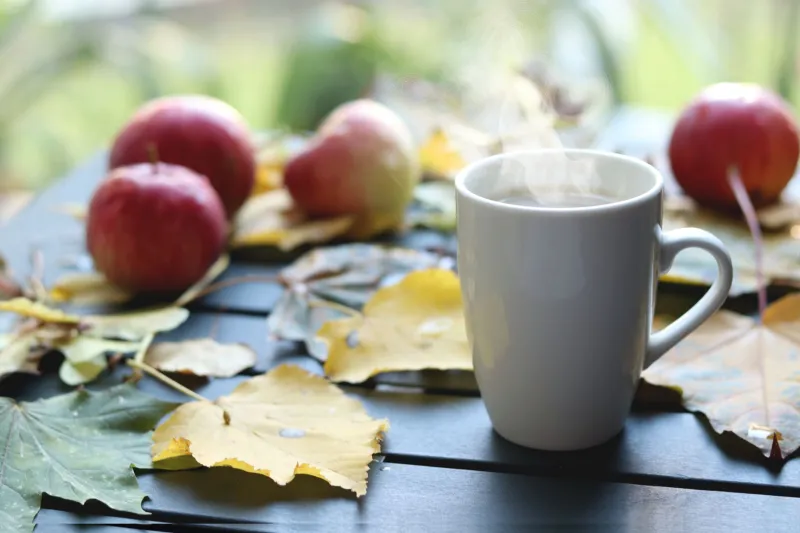
On a wet Tuesday in November, The Old Cider House has two smells working against each other in the best way. One is the cold, clean scent of apples coming off the barrels. The other is the warm, slightly sour breath of a starter that has been sitting by the back oven since breakfast.
Bread and cider have been neighbours for longer than most menus care to admit. In farmhouse kitchens, a loaf was not a side dish. It was the thing that made a bit of cheese into a meal and a bowl of soup into a supper. At the bar, a slice of good bread does the same quiet work: it slows the first pint down, gives the cheese something to lean on and makes a stranger feel less like a customer and more like someone who has dropped in.
The case for bread beside cider
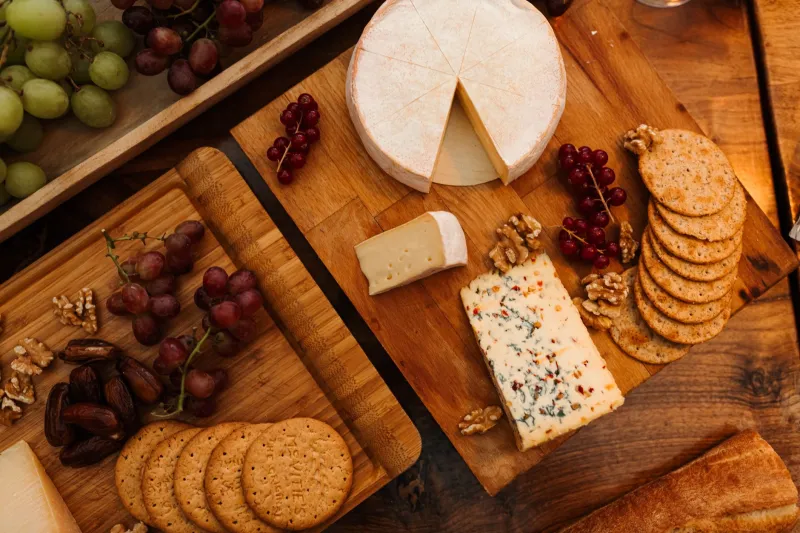
Cider is a sharp, bright drink. Dry cider, especially, has an edge that can make a plate of salty cheese taste even saltier and a bowl of pickles taste even sharper. Bread steps into that gap. Its crust gives a little bitterness and crunch; its crumb soaks up acid and tannin without demanding attention. A hunk of sourdough with a wedge of mature Cheddar and a glass of still, dry cider is not a compromise. It is one of the most honest things a small kitchen can put on a bar.
There is a practical argument too. A cider house that already has flour, water, salt and a warm corner can make something that costs very little and means a great deal. It uses local ingredients, keeps the oven busy and turns yesterday's loaf into today's croutons, breadcrumbs or a cider-soaked bread pudding. That is not padding. That is kitchen economy with a bit of soul.
Keeping a starter in a working kitchen
A cider-house starter does not need a romantic name or a rigid timetable. It needs flour, water and a bit of routine. Ours is fed with a local stoneground flour and lukewarm water, kept in a lidded tub near the oven but not on top of it. The wild yeasts come mostly from the flour and the air around it, not from some mysterious orchard magic. The orchard helps by making the kitchen smell of apples; the flour does the hard work.
During service, the starter can be forgotten. That is fine. A small amount kept in the fridge will survive a busy week. Bring it out the night before a bake, feed it, let it bubble and use it when it smells pleasantly sour rather than sharply acetone-like. If you want to bring cider into the starter, add a spoonful to the feed now and then. It can sharpen the flavour, but too much acid will slow the rise. Think of cider as seasoning, not fuel.
A daily loaf for the home baker
This is the loaf we make most often: simple enough for a home oven, sturdy enough for the bar. It uses a little dry cider for flavour and a long, cool rise for digestibility and a proper crust.
Makes one large loaf or two small ones.
- 400g strong white bread flour
- 100g wholemeal or stoneground flour
- 100g active starter, fed and bubbling
- 330g water
- 50g dry still cider
- 10g fine sea salt
Mix the flours and water first and leave for 30 minutes. Add the starter, cider and salt, then squeeze and fold until everything is combined. It will feel a little slack. Over the next three hours, give the dough four sets of folds, spaced about 45 minutes apart. Cover it and let it rise until it is visibly puffier and has a few bubbles at the edge: usually four to six hours in a warm kitchen, longer in a cold one.
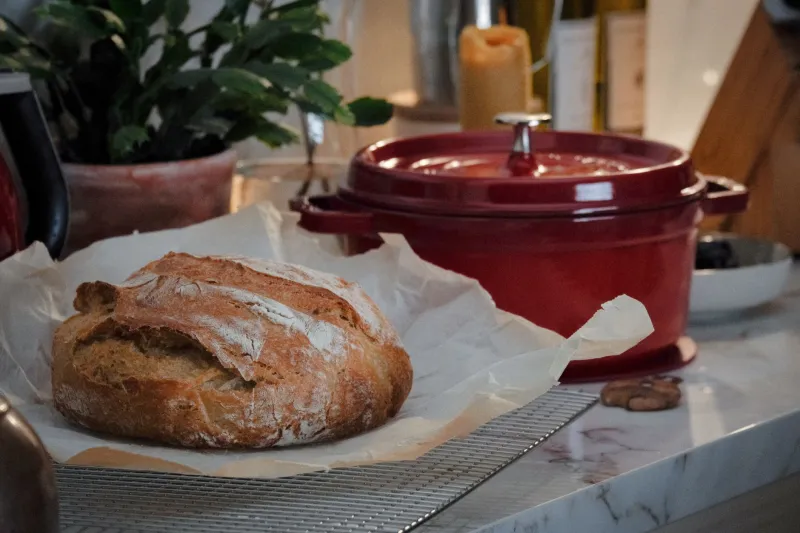
Shape it into a tight round, put it in a floured basket or a lined bowl, and leave it in the fridge overnight. In the morning, heat a lidded pot to 250C. Tip the loaf onto baking parchment, slash the top, lower it into the hot pot and bake covered for 25 minutes. Uncover, drop the heat to 230C and bake for another 20 to 25 minutes, until the crust is dark and the base sounds hollow. Let it cool before slicing. Warm bread smells wonderful, but a hot loaf cuts badly and loses its crumb.
If you do not have cider, use water. The loaf will still be good. The cider adds a gentle fruity tang and a slightly softer crumb, but it is not a magic ingredient. Patience is.
Baking between service
The trick in a pub kitchen is not finding three uninterrupted hours. It is fitting bread around everything else. Mix the dough after the breakfast rush. Do the folds while the vegetables are being prepped. Shape it before the lunch service or after the washing-up, then bake it in the lull before the evening crowd arrives. A small loaf or two is better than one heroic batch that nobody has time to slice.
Bread that is a day old is not a failure. Tear it into pieces, toss with a little oil and salt, and warm it on a griddle for the bar. Blitz the dry ends into crumbs for a cauliflower gratin or a treacle tart. Soak the rest with raisins and cider for a pudding. A cider house that wastes good bread is missing the point of both.
The warm slice as welcome
There is a reason a bread basket can feel like an afterthought and a warm slice can feel like a greeting. The difference is not the recipe. It is the timing. Bread that turns up with the first drink, or alongside the cheese board, says that the kitchen has been expecting you. It does not need to be a course. It just needs to be there, cut thickly, with a little butter and a little salt, next to a glass of cider that tastes of the orchard it came from.
At this time of year, when the light goes early and the lanes are muddy, that is the sort of hospitality that matters. Not a performance. Not a garnish. Just a loaf, a board, a warm corner and someone willing to sit with you for a minute. The cider does the rest.