A Lit Hearth Is a Promise: The Case for Fire in the Cider House
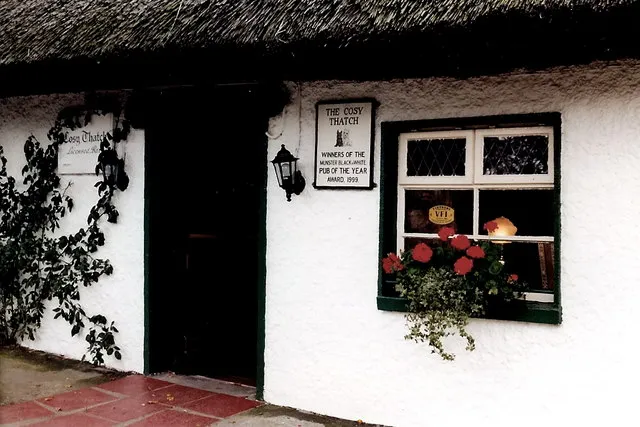
Photo: Joseph Mischyshyn, CC BY-SA 2.0, via Wikimedia Commons
November has a way of announcing itself at the door. The wind gets under the collar, the lane smells of wet leaves, and the first thing anyone notices when they step into a cider house is not the menu board or the pump clips. It is the hearth. If there is a fire in it, the shoulders come down. If there is not, the room can be full and still feel like a waiting area.
That is why the fire deserves to be treated as the first course. Not a decorative extra, not a bit of theatre for the weekend, but part of the hospitality itself. A lit hearth makes a promise: sit down, take your time, we have made a place for you. In a cider house, where so much of the pleasure is slow and seasonal, that promise matters.
The first welcome is warmth
A menu can be excellent and a room can still feel unwelcoming if the only heat comes from the radiators. Central heating warms the air. A fire warms the idea of staying. It gives people a reason to move one chair closer, to order the second half, to ask whether there is pudding. It also gives the room a natural centre, which is useful in winter when the windows are dark and the tables near the door can feel exposed.
There is a practical kindness in it too. A fire dries a damp coat, takes the edge off wet boots and gives anyone eating alone a place to look that is not their phone. Pubs have always understood this. The best ones do not treat the grate as a heritage object behind a rope. They use it.
Wood is a menu decision
If the fire is part of the hospitality, then the wood is part of the kitchen. It should be bought or gathered with the same care as the apples and the cheese. Seasoned hardwood is the starting point. Logs should be dry, ideally well under 20 per cent moisture, stored off the ground and under cover with air moving through the stack. Green wood hisses, smokes and sends too much up the chimney. It is expensive in every sense.
Orchard prunings and local coppice can make excellent fuel when they are properly dried, and there is something satisfying about a cider house burning a little of its own woody waste rather than sending it away. Applewood, pear, ash, hazel and beech all have their fans. Avoid treated timber, painted offcuts and anything that has been sitting in a skip. In smoke control areas, check the rules before you stock the basket. A cheerful blaze is not cheerful if it is making the neighbours miserable.
The quiet discipline is to burn less, burn better. A small, hot fire made with dry logs is more efficient and more pleasant than a great damp pile smouldering into the room. Bank the fire down when the room empties. Do not let it roar for the sake of appearance. The hearth should be generous, not wasteful.
Chimney care is hospitality too
A fire is only as good as the flue it breathes through. An annual sweep is not a chore to be postponed until January. It is part of keeping the house in order. Soot and tar build up quietly, and a blocked or neglected chimney is not a rustic quirk. It is a risk.
Book the sweep before the festive rush. Check the grate and the spark guard. Make sure the room has enough ventilation to draw properly. Fit and test a carbon monoxide alarm. If the chimney smokes back or the fire struggles, stop guessing and get someone qualified to look at it. The same goes for a stove: a cracked rope seal or a baffle plate out of place will quietly undo all the good work of dry wood and good intentions.
None of this is glamorous. It is the unglamorous side of a convivial room, and it is exactly what lets the conviviality happen safely. A well-tended hearth is a sign that someone has thought about the whole evening, not just the lighting of the fire.
The quiet economics of a lit grate
There is a cost to keeping a fire going. Logs, sweeping, insurance, staff time, the odd repair to the grate. Any publican who has done it will tell you it is not free. But a cold room has costs too. Empty tables near the door, people leaving early because the atmosphere has gone flat, a winter trade that never quite gets going.
A fire changes how long people stay and where they choose to sit. It can make a small back room usable on a Tuesday in February. It encourages a coffee after the pudding, a second half, a conversation that runs past the point of leaving. That is not a cynical reason to light it. It is simply the honest arithmetic of hospitality. Warmth makes people linger, and lingering is what a cider house is for.
What the fire does to the plate
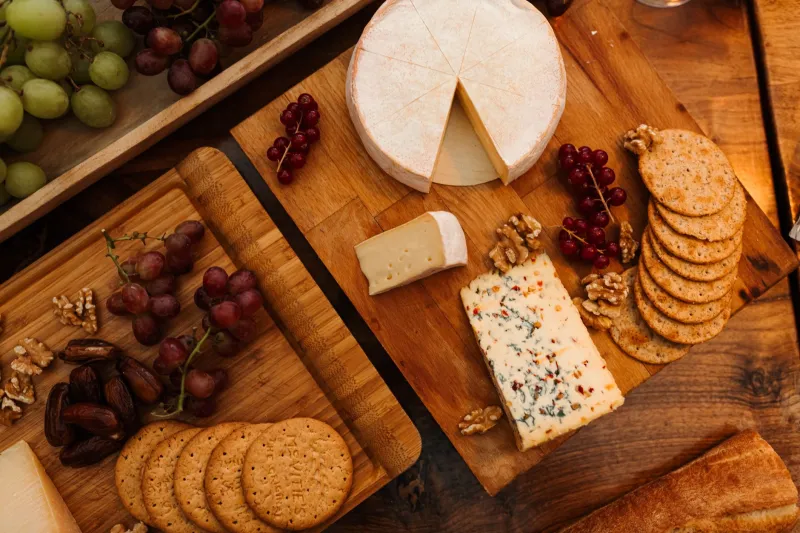
A hearth should echo on the menu. This is the season for soup with a slick of cider cream, toasted cheese with mustard and apple, baked potatoes with butter and salt, chestnuts, quince, pears softened in perry. A fire makes people want food that has been cooked slowly and served without fuss. It also makes the simple things look deliberate: a bowl of olives, a slab of bread, a plate of cheese that has had time to come to room temperature.
You do not need to cook everything over the flames. But the mood of the fire should reach the kitchen. If the room is asking people to settle in, the food should not be in a hurry either.
The table nearest the flames
The best winter tables are not the biggest. They are the ones within reach of the logs. A small table by the hearth can turn a quick lunch into an afternoon. It can make a solo diner feel looked after rather than tucked away. It gives a couple somewhere to sit without feeling they are on display. Even the dog knows it.
So keep the hearth lit. Sweep the chimney, stack the wood properly, mind the safety, and let the fire do its quiet work. A cider house without a fire in winter can still serve good food and good drink. But it has left one of its oldest promises unkept.