One Long Table, Many Cold Coats: The Winter Supper Worth Sharing

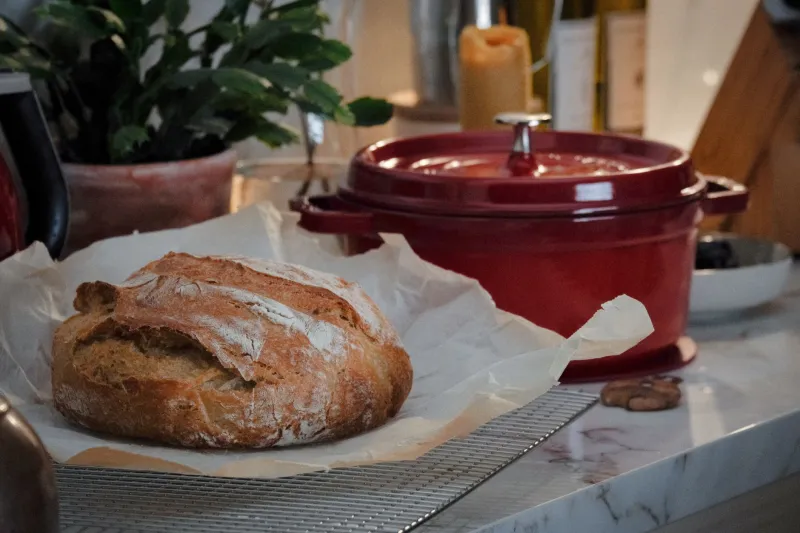
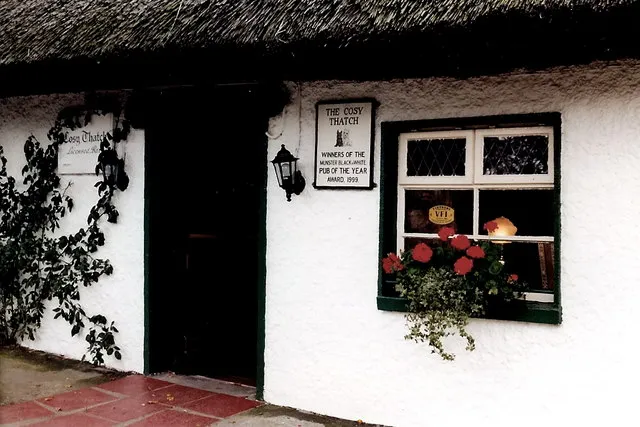
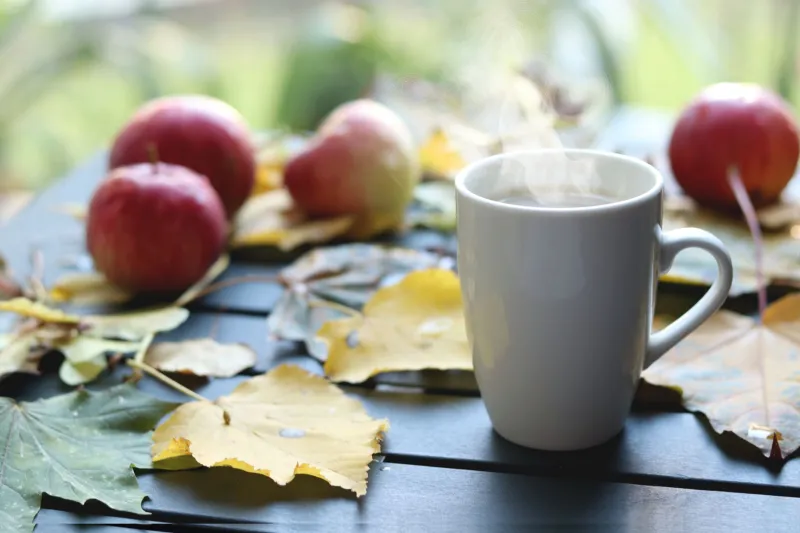
Photo: rustic pub long communal table winter supper cider jug plates UK, via washington.org
There is a particular quiet that settles over a cider house in the middle of winter. It is not the peaceful sort. It is the sound of four people sitting at four separate tables, each pretending not to notice the other three. Coats over chair backs. Phones face down. A pint nursed a little too slowly. Outside, the orchard is doing what orchards do in January: nothing visible, everything necessary. Inside, the room could be warmer in every sense.
The answer is not a new menu or a louder playlist. It is a longer table.
Why the long table belongs in winter
A communal table is not a gimmick. It is an old piece of pub furniture with a new job. In summer, we spread out. We take the garden bench, the corner by the window, the bit of grass near the gate. In winter, spreading out is exactly the problem. A room full of half-empty tables feels colder than it is. A room with one long table, pushed end to end and laid with a cloth, feels like somewhere to be.
The practical case is simple. Fewer tables means fewer cold corners to heat. One long table means one centre of gravity. It also means the kitchen can cook fewer things, in bigger pans, for more people. That is better for the cook, better for the budget and usually better for the plate.
The social case is simpler still. Cider houses have always been places where the orchard worker, the passing walker and the solo drinker end up in the same room. The long table just admits it.
The menu: plates that pass
A shared winter supper should not look like a wedding. It should look like a kitchen that has been busy and is pleased to see you. The rule is one pot, one board, one bowl and something pickled.
Start with bread and butter, proper butter, and a jar of something sharp from last autumn. Then bring a large dish of roots roasted in cider and honey, parsnips and carrots and a few halved onions, with thyme and a little mustard stirred through at the end. A bowl of buttered leeks. A board of local cheese, cut in wedges rather than slices, with chutney and oatcakes. If there is meat, let it be a slow-cooked shoulder or a pie with a rough lid, something that can be carved at the table and passed along.
Puddings should be spoonable and unphotogenic. A cider-poached pear with cream. A treacle tart cut into squares. A dish of baked apples with raisins and a jug of custard. Nothing that requires a menu explanation.
The point is not abundance for its own sake. It is generosity that travels. A plate you can hand to the person opposite is a plate that starts a conversation.
Cider for a crowd
Pairing for a long table is different from pairing for a tasting. You want cider that is happy in a jug and forgiving of a dozen different plates. A dry, gently sparkling cider works with almost everything on that table, from the roast roots to the cheese. A fuller, tannic cider can stand up to pie and pudding. A perry, if you can get it, is a lovely thing with pears and cream and a bit of quiet.
Put a jug on the table rather than lining up glasses at the bar. Let people pour for each other. Keep a bottle of something soft and local for anyone not drinking. The ritual matters more than the ABV. A table where the jug moves clockwise is a table where people are looking after one another.
The etiquette of joining in
This is the part that worries people, and it should be handled gently. A long table only works if it is clearly an invitation, not a trap. Put a small card at the end of the table. Say what it is: a shared supper, a set price, a seat for anyone who wants one. Let the staff say it out loud when someone books. No one should be ambushed by conviviality.
For guests, the etiquette is light. Say hello. Ask what brought them in. Pass the bread without being asked. Do not interrogate the stranger on your left about their job. If you want a quiet corner, take one, and no one will mind. The long table is an option, not a rule.
Noise, warmth and the shape of the room
A good shared supper is loud in the right way. Not shouty, not frantic, just the hum of people asking for the salt. Keep the music low. Keep the lights warm. If the room has a fire, let it be the loudest thing in it. Put the table near the kitchen if you can, so the plates arrive hot and the cook can hear the compliments.
And do not overfill the bench. A long table with room to breathe is better than a packed one with elbows in the soup. Space is part of the hospitality.
Filling seats, not spreading parties
There is a sustainability argument here, and it is not just about heating. When a cider house fills its seats rather than spreading parties across empty tables, it wastes less. Less food scraped from uneaten plates. Less energy heating rooms no one is sitting in. Less of everything that comes from treating a quiet Tuesday like a problem to be solved with a bigger menu.
A shared table also keeps money in the neighbourhood. The vegetables come from a grower down the lane. The cheese comes from a farm that knows the orchard. The cider comes from apples you can nearly see from the window. That is not a marketing line. It is just what happens when a pub cooks for a room instead of a series of separate bookings.
A small invitation
So this winter, push the tables together. Put a jug in the middle and a dish at each end. Let the walker sit next to the orchard worker and the solo drinker sit next to both. Fill the bench, pass the potatoes and see what happens. The room will be warmer. The supper will be better. And someone who came in alone will leave with a name to say hello to next time.