A Menu Written in Chalk and Weather
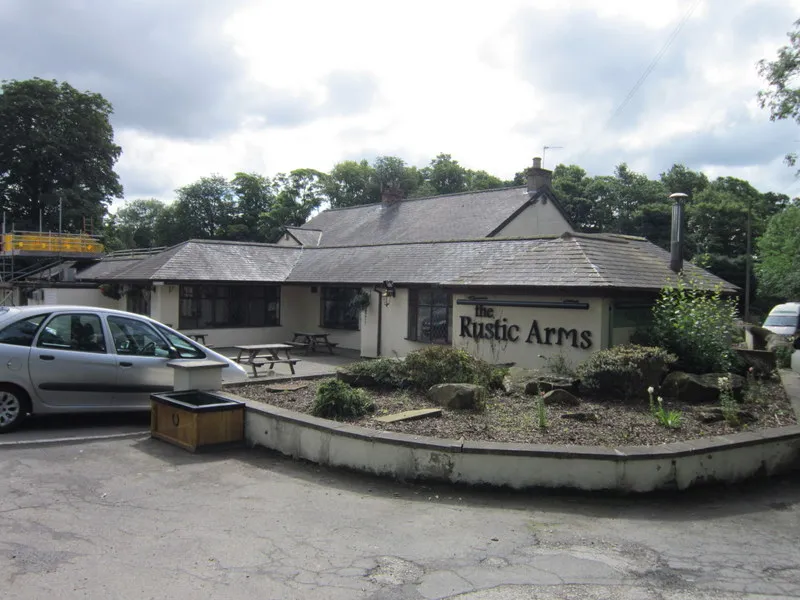
Photo: Ian S , CC BY-SA 2.0, via Wikimedia Commons
By half past eleven, the board behind the bar is already wearing the morning’s mistakes. A smudge of flour near the top, a half-rubbed word where the fish changed, a line through the soup because the last bowl went out at ten past. Nobody minds. The chalkboard at The Old Cider House is not a document. It is a conversation, and it is meant to look as though someone has been having it.
The board is a conversation, not a document
Printed menus have their place. They are tidy, they are useful for weddings, and they save a lot of explaining when a coach party arrives at once. But in a small cider-house kitchen, a printed menu can become a quiet lie. It says the same thing on a wet Wednesday in November as it did on a bright Saturday in October, whether or not the parsnips are still good, whether or not the orchard has sent in another crate of apples, whether or not the van has made it down the lane.
The chalkboard refuses that little fiction. It is written by hand because the day is written by hand. Someone lifts the chalk, looks at what is actually in the kitchen, and commits to it in public. That is a different sort of promise from a laminated sheet. It is smaller, more honest and much easier to change.
What arrives decides what gets written
A cider house kitchen is shaped by what comes through the door. In autumn that might be a glut of apples from a neighbour’s garden, too small and too many for the press but perfectly good in a traybake or a chutney. In winter it might be a box of leeks with mud still on them, a sack of potatoes from a farm ten miles away, or a few pheasants from a shoot that would rather they were eaten than wasted. The board responds.
This is not improvisation for its own sake. It is a practical way of cooking in a place where the orchard, the garden and the local delivery round all have a vote. If the greens are tired, they become soup and get finished with cider cream. If the pears are ripe all at once, they go into a tart, a chutney and a bowl by the door with a note saying help yourself. The menu is not a wish list. It is a set of instructions for using what is here.
Two turns of the board
At The Old Cider House, the board usually turns twice a day. The first turn happens before lunch: something quick, warm and forgiving, the sort of food that suits wet boots and a half-pint. The second turn comes in the late afternoon, when the kitchen looks at what is left and writes the supper board with the fire in mind. The two boards are related, but they are not the same. Lunch is about making the day work. Supper is about settling into it.
Here is how a recent board might have read.
Lunch, after a wet market morning
- Cider-braised leek and potato soup, orchard bread, salted butter
- Devilled kidneys on toast, watercress, a sharp apple salad
- Roast squash and sage tart, brown butter, pickled walnuts
- A plate of local cheese, oat biscuits, quince paste
Supper, fire lit, curtains drawn
- Braised beef short rib with cider and parsnip mash, buttered greens
- Baked haddock with cider cream, leeks and crushed potatoes
- Mushroom and barley pot pie, cabbage with mustard seeds
- Pear and almond tart, clotted cream
None of that is fixed. If the haddock does not arrive, the board says so and the kitchen moves on. If the pear tart sells out by eight, the last slice goes to whoever asks first, and the board is wiped clean at the corner. That small disappointment is part of the deal. It reminds everyone that supper is not manufactured on demand. It is cooked from what the day has given.
The waste case is the quiet case
A printed menu encourages a kitchen to buy for the menu. A chalkboard encourages a kitchen to write for the buying. That difference matters when margins are thin and bins are watched. If you have already promised printed dishes weeks in advance, you end up buying food to fit the promise. If you can write the board on the day, you can use the slightly knobbly carrots, the last of the cream, the herbs that need cutting before they sulk.
This is not glamorous sustainability. It is the unglamorous sort: smaller orders, fewer dead ends, a cook who knows exactly what is in the cold room because they wrote it down in chalk an hour ago. The board makes waste visible. If something is not selling, it comes off. If something needs using, it goes on. Nobody needs a spreadsheet to understand that.
Allergens, accuracy and a little humility
A living menu still has to be a careful menu. Chalk is not an excuse for vagueness. At The Old Cider House, the allergen folder sits by the till, the kitchen keeps a note of what has changed, and staff are briefed before service. If a dish is adapted, the board says so. If the kitchen cannot guarantee something, it says that too. The point of rewriting the board is not to be clever. It is to be accurate about what is actually available, including the things that matter to people with allergies or dietary needs.
That is where the small pub has an advantage. The person writing the board is often the person cooking the food and the person carrying it to the table. There are fewer layers for a message to get lost in. The board can be changed because someone has just come back from the market, or because the weather has turned and everyone wants something with gravy. A larger operation might call that chaos. A cider house calls it Tuesday.
Why a small UK pub can do this better than a big one
A printed menu is a contract with a future you cannot see. For a small kitchen, that contract can be expensive. The chalkboard is a lighter arrangement: it promises that the food will be seasonal, local where possible and cooked with attention, without promising that it will be the same food next week. That suits the way British produce actually behaves. Asparagus does not wait for the print run. Apples arrive when they arrive. The first frost changes the texture of a parsnip and the mood of a supper.
The board also gives the room something to talk about. People read it at the bar. They ask what the soup is. They hear the kitchen shout that the pie is off and change their minds without fuss. It is a small piece of theatre, but it is also a small piece of honesty. The menu is not a glossy brochure for the pub. It is a note from the kitchen to the room, written in chalk and weather.
So the board turns twice a day, and sometimes a third time when the evening goes differently from the plan. It is wiped, rewritten and smudged again. By closing time it looks like it has had a life. That is rather the point. A menu that refuses to be printed is not trying to be difficult. It is trying to stay close to the orchard, the season and the people at the table.