Porridge Before Pints: The Quiet Case for a Cider-House Morning
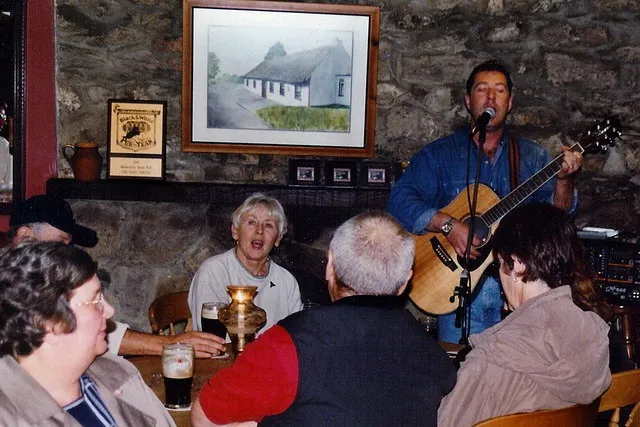
Photo: Joseph Mischyshyn, CC BY-SA 2.0, via Wikimedia Commons
Morning is the one shift the cider house rarely claims. By noon the doors are open, the chalkboard is out and the first pints are being pulled. Before that, the place belongs to deliveries, damp coats and the low hum of the fridge. It is a sensible rhythm, but it is not the only one.
Open for a short breakfast, three or four mornings a week, and the pub gains a second personality: gentler, cheaper to run and squarely useful to people who are up before the day has decided what it is. Not a café. Not a brunch destination with a queue on the pavement. Just a warm room, a pot of strong tea and a handful of things worth eating.
The quiet hours are worth claiming
A cider house sits at the edge of the orchard, which means it also sits at the edge of a walk. In November, that is a gift. The mist lifts slowly, the last apples are in store, and people are pulling on boots for a few miles before lunch. They pass the door at half past nine with cold hands and no expectation of anything open. A lit window and the smell of bacon would change their morning.
The same goes for early workers: tradespeople between jobs, farmers coming in from a livestock check, delivery drivers who have been on the road since five. Add weekend cyclists, a parent with a pram, and the solo reader who wants a table without a performance. These are not people asking for a full service. They are asking for somewhere to sit, something warm, and a bit of company that does not demand conversation.
What belongs on a short morning menu
The menu should be short enough to fit on one chalkboard and honest enough to cook well with one pair of hands. Five or six things, changing with the season, is plenty.
Orchard-fruit porridge is the natural centrepiece. Oats cooked slowly with milk or water, a handful of grated Cox or Bramley, a spoon of stewed apple, sultanas and a little honey. Toasted hazelnuts if they are in the cupboard. It is cheap, filling and a good home for fruit that has gone too soft for the bar.
A cider-braised bacon butty earns its place. Bacon braised gently in dry cider until sticky, piled into granary bread with mustard and perhaps a slice of fried apple. It is a proper morning sandwich, not a novelty. For those who want something less meaty, local cheese toast: mature Cheddar or Cheshire on thick sourdough, with apple chutney on the side. A boiled egg and soldiers, if the kitchen can manage it without a fuss. Strong tea in a pot, not a mug of beige water. Coffee can be simple but should be good.
Waste not, want not
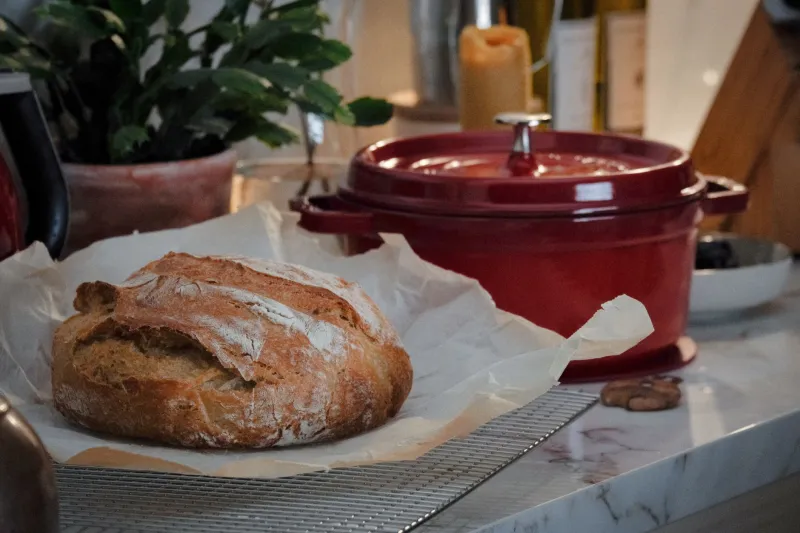
A breakfast menu is a useful thing for a pub with a conscience. Yesterday's loaf is not a problem but the point. It becomes toast, soldiers or crumbs for the porridge. Fruit that is too soft for the bar can be stewed, grated or turned into compote. Preserves made in September when the glut was overwhelming suddenly have a purpose. The last wedge of cheese in the fridge is no longer a leftover but a toast topping.
This is sustainability in its plainest form: less waste, less energy, less fuss. A pot of porridge kept warm on the stove uses less fuel than a full cooked breakfast, and a small menu means fewer ingredients going off in the walk-in. Local eggs, milk in returnable bottles, bread from a nearby bakery, apples from the orchard outside. None of it needs a manifesto. It simply needs a cook who can plan a short service and not overreach.
Who comes through the door
Walkers are the obvious audience, especially in the colder months when a flask has run out by the second stile. But the morning crowd is wider than that. Tradespeople want somewhere warm that is not a motorway services. Cyclists want somewhere they can leave a bike without being glared at. Parents want a table where a bit of noise is acceptable. The solo diner wants the same thing at nine in the morning that they want at nine at night: to be left alone but not ignored.
A morning service also changes the feel of the room. The light comes in differently. The fire may not be lit, but the kitchen is. The radio is low. There is no rush at the bar and no queue for the loo. It is a different kind of conviviality, quieter and less performative, and it suits a cider house that already thinks of itself as a place for good company rather than a destination for a big night out.
Keeping it sane behind the bar
The practical case is straightforward. Prep the porridge base the day before. Cook bacon slowly in cider in a heavy pan. Grate cheese, slice bread, put out chutney. One person front of house, one in the kitchen, and a menu that can be cooked on a griddle and a stove. Open from eight until eleven, or until the porridge pot scrapes. A chalkboard is enough. Honest prices are enough. There is no need for a laminated folder or a booking system.
The point is not to turn the pub into a café. The point is to make better use of the building, the larder and the daylight. A cider house that opens before noon is not chasing a trend. It is admitting that hospitality does not only happen after dark. In November, with the orchard bare and the mornings sharp, a pot of tea and a bowl of porridge might be the most useful thing the place can offer.
If the orchard is worth toasting in January, it is worth looking at in the thin light of a weekday morning. Porridge before pints is not a slogan. It is simply a good reason to open the door a little earlier.