The Orchard in the Pan: Six Winter Kitchen Ideas with British Cider
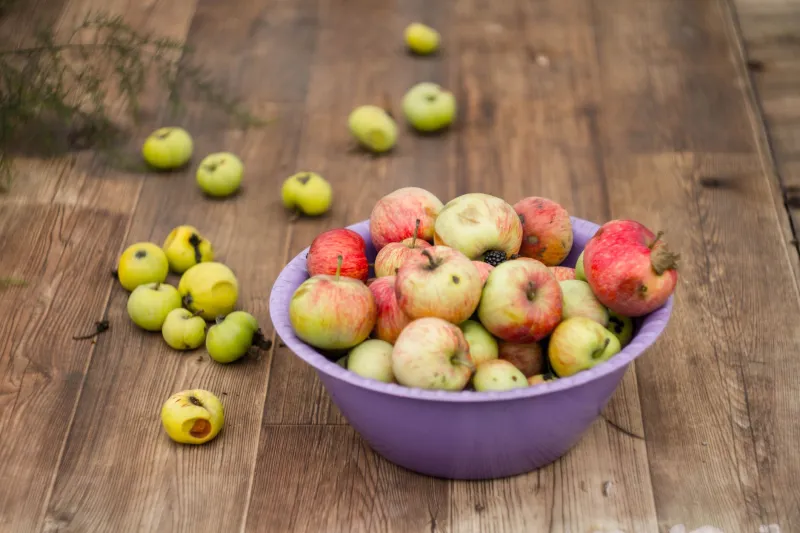
At The Old Cider House, the first hard frost is not a signal to shut the orchard away. It is a prompt to bring the harvest indoors: a crate of apples, a half-full bottle from Sunday lunch, the last of a neighbour’s pressing. Cider is far too useful to reserve for the glass. Used with a little care, it can be stock, acid, sweetness and seasoning at once. And in a winter when many of us want to waste less and shop closer to home, cooking with cider is a quietly practical way to make a local bottle go further.
Mulled cider has its place. But the kitchen is where a dry British cider really earns its keep. Here are six ideas for taking it beyond the saucepan of spice and orange peel.
A short buying guide: ciders for cooking
For most savoury dishes, choose a dry or off-dry still cider with plenty of orchard flavour. Traditional farmhouse cider from Herefordshire, Somerset, Devon, Suffolk, Kent or Wales is a good starting point; bag-in-box cider is often excellent value for cooking. Avoid sweetened or flavoured ciders, and treat keeved or dessert ciders as a seasoning rather than a base — they can be lovely, but their sugar catches in the pan. A dry perry can stand in for cider with pork or parsnips. If you are using a bottle that has gone flat, so much the better: flat cider is perfect for braising.
1. Cider-braised leeks with bay and mustard
Leeks are one of the quiet heroes of the British winter, and cider gives them a gentle sweetness and edge. Halve four leeks lengthways, rinse them well and sweat in a generous knob of butter until soft. Pour in about 250ml dry cider, add a bay leaf, a few sprigs of thyme and a spoonful of wholegrain mustard. Cover and braise for 15 to 20 minutes, then uncover and reduce the liquor until it glazes the leeks. Finish with a little cream or crème fraîche if you like, and serve with mashed potato or a thick slice of bread. It is a fine side for roast chicken, and a decent supper on its own.
2. A cider brine for winter pork
A brine is one of the simplest ways to make a modest cut taste generous. For a pork shoulder or a few thick chops, warm 500ml dry cider with 80g salt, a tablespoon of juniper berries, black peppercorns and a bay leaf until the salt dissolves. Add a litre of cold water, cool completely, then submerge the pork overnight. Pat it dry before roasting. The cider seasons the meat gently and helps it stay juicy; the orchard fruit notes sit well with fennel, mustard and roast apples. It is also a good use for the end of a bag-in-box.
3. Apple-cider doughnuts
Doughnuts may sound like a project, but the cider version is forgiving and deeply satisfying. Warm 150ml cider and use it in place of some of the milk in a simple enriched dough, or keep the cider for the glaze: reduce 200ml cider with two tablespoons of sugar until syrupy, brush it over freshly fried doughnuts, then roll them in cinnamon sugar. The cider needs to be dry enough not to cloy. These are best eaten warm, standing up, with napkins and no ceremony. Any leftover doughnuts — an unlikely scenario — can be split and toasted the next day.
4. A sharp cider vinegar dressing for winter leaves
Cider vinegar is the orchard’s other gift to the winter kitchen. Whisk one tablespoon of cider vinegar with a teaspoon of honey, a teaspoon of Dijon mustard and three tablespoons of rapeseed oil. Season well, then use it to dress shredded kale, chicory or red cabbage, massaging the leaves for a minute or two so they soften. Add sliced apple, toasted hazelnuts and a little crumbled cheese for a proper winter salad. Buying cider vinegar from a local orchard keeps money in the cider economy; making your own from leftovers is possible, but needs care and patience.
5. Cider-roasted parsnips and apples
Root vegetables love cider. Cut parsnips into long wedges, toss with oil, salt and a little honey, then roast hot until nearly tender. Splash in a few tablespoons of dry cider, add wedges of apple and a few thyme sprigs, and return to the oven until the cider has reduced and the edges are sticky. The same trick works with carrots, celeriac or wedges of squash. It is a useful way to use up windfall apples and a bottle that has lost its fizz.
6. Cider syrup — and a winter granita
Reduce a bottle of flat cider with sugar and a strip of orange peel until it coats the back of a spoon. Cool and keep in a jar in the fridge. A spoonful lifts yoghurt, pancakes, roast parsnips or a pan sauce for pork. For something more unexpected, freeze the reduced cider in a shallow tray, fork it through every half hour and serve as a sharp granita with poached apples or a slug of something stronger. It is a reminder that cider can be bright and bracing even in the coldest months.
The orchard in the pan
Cooking with cider is not about turning the pub into a restaurant. It is about treating a local bottle as what it is: a seasonal ingredient with a story behind it. A dry cider from a small orchard can season a winter’s worth of suppers, and every bottle used in the kitchen is one less poured away. At The Old Cider House, that feels like a fitting way to keep the orchard close until the blossom returns.