Rind, Acid and a Little Bit of Grit: Matching British Cheese to Orchard Cider
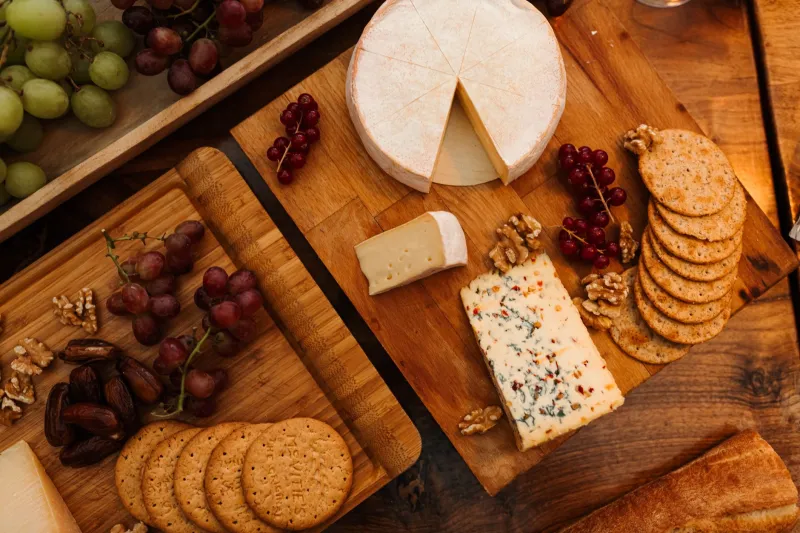
At The Old Cider House, the cheese board has never been a garnish for the cider list. It is the other half of the conversation: a slab of something farmhouse, a glass of something fermented from apples, and enough time to work out why the two of them get on. Late autumn is when that conversation gets interesting. The cider is still sharp from the new season, the cheeses are richer after a summer on grass, and nobody wants to eat outdoors unless there is a blanket and a very good reason.
I spent an afternoon with cheesemaker Megan Price, who makes a small range of lactic cheeses and a matured cheddar near Ledbury, and cider maker Tom Ellery, whose dry, tannic blend comes from old orchard fruit in Somerset. They disagreed about almost everything except the first rule: taste the cider before you cut the cheese.
Start with the cider, not the cheese
Megan’s instinct is to put the glass down first. “Cheese is generous,” she says. “It will meet you halfway. Cider is the one with the personality.” Tom agrees, though he puts it more bluntly: “If you choose a big, tannic cider and then pile up a delicate cheese, you have wasted both.”
British cider is not one drink. A dry, sharp cider from eating apples has a bright, almost green acidity; a west-country cider made with bittersweet fruit can be tannic enough to dry your gums; a medium cider sits somewhere in between, with a soft apple sweetness that can flatter or flatten a cheese depending on the rind. The practical move is to sip, then bite, then sip again. If the second sip tastes better than the first, you are winning.
Three rules of thumb
First, match weight with weight. A robust mature cheddar wants a cider with some grip; a soft, milky cheese wants something lighter and more sparkling. Second, let acidity do the work. Sharp cider cuts through fat and rind and makes you reach for the next bite. Third, be careful with sweetness. A medium or sweet cider can be lovely with blue cheese or a salty rind, but it can also make a delicate cheese taste bland. Tannin is the wild card: it loves aged cheese, nuts and a bit of salt, but it can overpower young, fresh curd.
Tom’s own rule is simpler. “If the cider makes the cheese taste more like itself, that is the match. If it makes the cheese disappear, try again.”
A late-autumn board for four
Start with a wedge of mature farmhouse cheddar, ideally 12–18 months old, and pour a dry, tannic cider. The salt and savoury depth of the cheese will soften the tannin, and the cider’s acidity will keep the whole thing fresh. Next, a crumbly Cheshire or a young Caerphilly with a medium-dry, gently sparkling cider. These cheeses are salty, lactic and a little bit chalky; they need lift, not weight.
For the blue, choose a British blue such as Stilton or Dorset Blue Vinny. A sweeter cider or a perry works well here, but a medium cider with good acidity will also do the job. Add a soft, bloomy British cheese – the kind with a white rind and a slightly oozing middle – and pair it with the driest sparkling cider on the list. The bubbles scrub the palate; the acidity keeps the cream from turning cloying.
Around the cheese, keep it seasonal and unfussy: slices of late apple, toasted walnuts, a spoonful of orchard chutney, sourdough or oatcakes, and perhaps a few leaves of watercress dressed with a little cider vinegar. The point is not to build a monument. The point is to keep people talking.
What the makers say
Megan is wary of pairing guides that turn into rules. “People get nervous about cheese,” she says. “They think there is a right answer. There isn’t. There is a cheese you like and a cider you like, and then there is the fun of finding out whether they like each other.” She does, however, have a soft spot for a young, lactic cheese with a dry cider that has a little sparkle. “It is like cold apple skin and cream. Very simple, very good.”
Tom prefers the older cheeses. “A dry, tannic cider and a proper farmhouse cheddar is the most honest pairing I know,” he says. “It tastes of the same landscape: grass, apples, a bit of dirt. You don’t need to dress it up.”
Buying British without the lecture
You do not need a degree in dairy to buy well. Start at a cheesemonger or a good deli counter and ask three questions: where is the milk from, how long has it been aged, and what is the rind like? A farmhouse cheese should have a bit of character – a rind that looks alive, a smell that tells you something. Avoid pre-cut wedges that have dried out at the edges. If you are buying for a board, choose two cheeses you know and one you don’t.
For cider, look for small producers who tell you which orchards the fruit came from and whether they use bittersweet or dessert apples. Dry and medium-dry styles are the most flexible at the table. Buy a bottle you would happily drink on its own; a cheese board should not be a rescue mission.
At The Old Cider House, we will be putting a board like this out through November: cheddar, a crumbly Cheshire, a British blue and something soft and oozing, with three ciders on the bar and no particular ceremony. Come in, take a seat, and argue about the order. That is half the pleasure.